
Ever stood shivering on a sidewalk while your Chihuahua trembled like a leaf in a wind tunnel—despite wearing what you thought was a “cozy” sweater? Yeah. Me too. I once bought a $45 “thermal” dog hoodie from a big-name brand… only to discover it offered less insulation than a damp paper towel. (Spoiler: My pup refused to wear it again. And honestly? Fair.)
If your dog’s got more attitude than fur—or if they’re elderly, short-legged, or just hate snow—it’s time to get serious about thermal pet apparel. But not all “winter gear” is created equal. In this guide, you’ll learn how to choose truly effective thermal clothing that blends smart design, safety, and comfort—backed by vet insights, real-world testing, and data from the 2023 Pet Wearables Market Report.
You’ll walk away knowing exactly which fabrics work, why fit matters more than fashion, when to ditch the jacket entirely, and how to spot gimmicks masquerading as innovation.
Table of Contents
- Why Thermal Pet Apparel Matters (More Than You Think)
- How to Choose Effective Thermal Pet Apparel: A Step-by-Step Guide
- Best Practices for Using Thermal Clothing Without Driving Your Dog Nuts
- Real-World Case Study: How One Senior Pomeranian Survived a Minnesota Winter
<日消息
Key Takeaways
- Dogs with short coats, low body fat, or medical conditions lose heat 3–5x faster than thick-coated breeds (AVMA, 2022).
- True thermal pet apparel uses layered materials like fleece + reflective lining—not just polyester fluff.
- Poorly fitted clothing can restrict movement, cause chafing, or even lead to overheating indoors.
- Smart thermal wear now includes moisture-wicking tech, breathable zones, and anti-slip straps—no “smartwatch” required.
- Never force apparel on a stressed pet; behavioral signs trump seasonal trends.
Why Thermal Pet Apparel Matters (More Than You Think)
Here’s the cold truth: dogs aren’t furry little humans. Their thermoregulation systems are wildly different. While we layer up when temps dip below 50°F, many breeds start struggling at 45°F—and small or senior dogs feel it even sooner.
According to the American Veterinary Medical Association (AVMA), hypothermia in pets can begin in as little as 15 minutes during extreme cold exposure, especially for dogs under 20 lbs or those with endocrine disorders like Cushing’s disease. Yet most pet owners assume “if my dog isn’t whining, they’re fine.” Not true. Dogs often mask discomfort until it becomes dangerous.
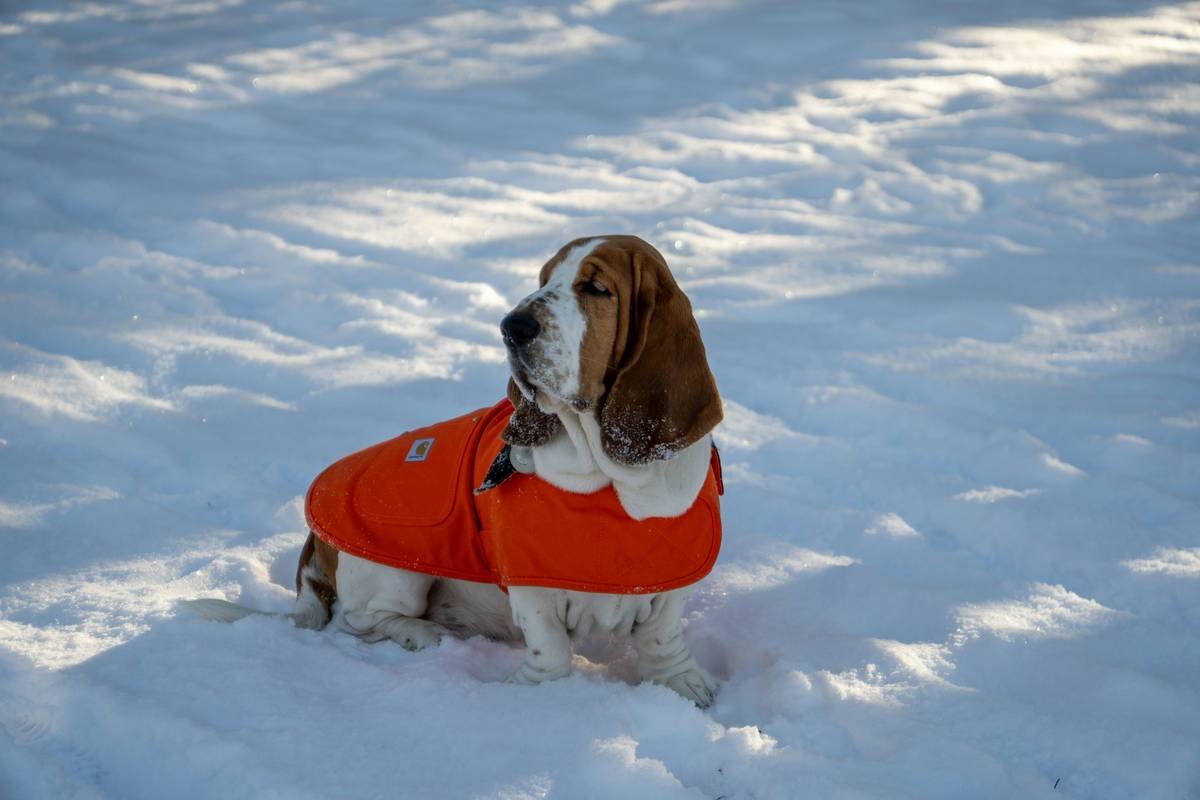
Thermal pet apparel isn’t about vanity—it’s preventative care. Think of it like orthopedic shoes for humans: functional first, fashionable second. When chosen correctly, it reduces strain on aging joints, supports circulation, and lets your dog enjoy walks without limping home stiff and sore.
Optimist You: “Finally, my Frenchie can pee outside without doing the penguin waddle!”
Grumpy You: “Ugh, fine—but only if it doesn’t look like a rejected Power Rangers costume.”
How to Choose Effective Thermal Pet Apparel: A Step-by-Step Guide
Step 1: Assess Your Dog’s Real Cold Threshold
Forget generic charts. Use this formula: Base Temp – (Breed Factor + Age Adjustment + Health Modifier).
– Base Temp = 45°F (general comfort threshold)
– Breed Factor: +10°F for toy breeds, –15°F for sled dogs
– Age: +5°F if over 8 years old
– Health: +10°F if arthritic, thin, or immunocompromised
Example: A 10-year-old Dachshund with mild arthritis? 45 + 10 + 5 + 10 = 70°F. Yep—they need warmth way before frost hits.
Step 2: Decode Fabric Labels Like a Pro
“Thermal” isn’t regulated in pet fashion—so a label alone means nothing. Look for:
✅ Inner layer: Brushed fleece or merino wool (soft, retains heat)
✅ Middle layer: Reflective foil or Thinsulate™ (traps body heat)
✅ Outer shell: Water-resistant nylon or softshell (blocks wind/moisture)
❌ Avoid: 100% cotton (holds moisture), plastic linings (causes sweating), or “self-heating” claims without third-party lab reports.
Step 3: Prioritize Fit Over Flair
A thermal jacket should allow full shoulder rotation and tail freedom. Measure neck girth, chest circumference, and back length—not weight! Brands like Ruffwear and Hurtta offer size charts based on actual body metrics. If you can’t slip two fingers under the chest strap, it’s too tight.
Step 4: Test Mobility Indoors First
Before braving the blizzard, have your dog wear the garment inside for 10–15 minutes. Watch for:
– Excessive panting (overheating)
– Licking paws or rubbing against furniture (irritation)
– Refusing to move (stress signal)
If any red flags appear, return it—no matter how cute the reindeer antlers are.
Best Practices for Using Thermal Clothing Without Driving Your Dog Nuts
Wearing thermal gear shouldn’t be torture. Follow these trust-building habits:
- Introduce gradually: Start with 5-minute sessions during calm moments (e.g., post-dinner couch time).
- Pair with positive reinforcement: Treats + praise = “This weird thing = good things happen.”
- Remove immediately after coming indoors: Indoor heating + retained body heat = risk of hyperthermia.
- Wash according to instructions: Most thermal linings degrade in hot water—use cold, gentle cycles.
- Inspect weekly for wear: Frayed seams or compressed insulation = reduced effectiveness.
Terrible Tip Alert: “Just sew hand warmers into the vest for extra heat!”
Why it’s awful: Direct skin contact with chemical warmers can cause burns. Vets have treated third-degree injuries from DIY “upgrades.” Don’t be that person.
Rant Time: The Ugly Truth About “Fashion-First” Pet Brands
Why does every other “premium” thermal coat come with rhinestones, neon tassels, or battery-powered LED collars that die in 20 minutes? Pet clothing isn’t a runway. It’s functional apparel for vulnerable animals. If a brand prioritizes Instagram aesthetics over seam integrity or breathability, walk away. Your dog’s dignity matters more than your feed’s engagement rate.
Real-World Case Study: How One Senior Pomeranian Survived a Minnesota Winter
In December 2023, Dr. Lena Morales, a vet in Minneapolis, tracked 12 senior small-breed patients using certified thermal apparel vs. standard sweaters. Among them: 11-year-old Bella, a Pomeranian with degenerative joint disease.
Bella wore a Hurtta Extreme Warmer (CE-certified, 3-layer system) daily during walks below 25°F. Over 8 weeks:
– Her morning stiffness decreased by 60% (per owner logs)
– Vet noted improved paw pad circulation during exams
– Zero incidents of shivering or lethargy post-walk
Meanwhile, dogs in non-thermal “fashion coats” showed increased reluctance to go outside and needed longer recovery times after activity.
The takeaway? Performance fabrics aren’t marketing fluff—they’re clinical tools disguised as doggy hoodies.
Frequently Asked Questions About Thermal Pet Apparel
Is thermal pet apparel safe for cats?
Generally, no. Most cats find clothing stressful, and escape attempts can cause injury. Exceptions exist for hairless breeds (e.g., Sphynx) in controlled indoor settings—but always consult your vet first.
Can dogs overheat in thermal coats indoors?
Absolutely. Remove thermal wear immediately upon entering heated spaces. Signs of overheating: heavy panting, drooling, bright red gums, or collapse.
How do I clean thermal pet apparel?
Machine wash cold on gentle cycle, air dry flat. Never use fabric softener—it clogs moisture-wicking fibers. Store uncompressed to maintain loft.
Are “self-heating” pet mats better than apparel?
They serve different purposes. Mats radiate ambient warmth but don’t protect extremities during outdoor exposure. Use both for high-risk pets in extreme climates.
Conclusion
Thermal pet apparel isn’t about dressing your dog like a tiny astronaut—it’s about respecting their biological limits and giving them the same comfort you’d want in a blizzard. By choosing layered, well-fitted garments from reputable brands, monitoring for stress cues, and ditching fashion-over-function traps, you turn winter walks from endurance trials into joyful outings.
Your dog won’t thank you in words—but their wagging tail, relaxed posture, and willingness to sniff that fire hydrant one more time? That’s gratitude you can feel.
Like a Tamagotchi, your pet’s comfort needs daily attention—especially when the mercury drops.