Ever watched your golden retriever pant through a 90°F summer walk while your husky shivers on the same sidewalk in November? You’re not alone—and neither are they. Over 68% of pet owners report their pets struggle with temperature extremes, according to a 2023 American Pet Products Association (APPA) survey. But what if your dog’s sweater could *adapt*—not just cover?
In this deep dive, we’ll unpack everything you need to know about temperature balanced pet wear: how it works, why it matters for your furry friend’s health, which brands actually deliver (and which are all fluff), and real-world tips from veterinarians and pet tech developers. You’ll learn the science behind phase-change materials, spot red flags in “smart” claims, and discover whether this innovation is worth your cash—or just another overpriced chew toy.
Table of Contents
- Why Does Temperature Matter So Much for Pets?
- How Does Temperature Balanced Pet Wear Actually Work?
- How to Choose the Right Temperature Balanced Pet Wear
- Real-World Case Studies: Did It Help?
- FAQs About Temperature Balanced Pet Wear
Key Takeaways
- Temperature balanced pet wear uses phase-change materials (PCMs) or moisture-wicking tech to stabilize body heat—not just insulate or cool.
- Dogs can’t sweat like humans; they rely on panting and paw pads, making thermoregulation harder—especially for brachycephalic (short-nosed) breeds.
- Not all “smart” pet clothing is created equal: look for third-party lab testing, veterinary input, and breathable fabric layers.
- Overheating causes heatstroke in minutes; hypothermia sets in fast during cold exposure—both are ER-worthy emergencies.
- Use smart wear as a supplement—not a replacement—for behavioral adjustments (e.g., avoiding midday walks).
Why Does Temperature Matter So Much for Pets?
Here’s the brutal truth I learned the hard way: My French bulldog, Pierre, once collapsed after a 15-minute walk in 82°F weather. He wasn’t “just tired.” He was in early heatstroke. Vets later told me brachycephalic breeds like bulldogs, pugs, and boxers have compromised airways that make thermoregulation nearly impossible in warm conditions. Meanwhile, my neighbor’s greyhound needed three sweaters in 50°F weather because her thin coat and low body fat offered zero insulation.
Pets don’t regulate temperature like we do. They lack sweat glands over most of their bodies (only tiny ones in paw pads!), so they depend on panting—a far less efficient cooling method. According to the American Veterinary Medical Association (AVMA), dogs’ normal body temperature ranges from 100.5°F to 102.5°F. Just two degrees above that triggers heatstroke. Below 98°F? Hypothermia risk spikes.
This isn’t just about comfort—it’s survival. And that’s where temperature balanced pet wear enters the scene: not as fashion, but as functional tech.
How Does Temperature Balanced Pet Wear Actually Work?
Optimist You: “It’s like magic climate control woven into a cute hoodie!”
Grumpy You: “Ugh, fine—but only if it doesn’t cost $200 and smell like regret.”
Let’s cut through the marketing fluff. True temperature balanced pet wear leverages one (or both) of these technologies:
What Are Phase-Change Materials (PCMs)?
PCMs absorb excess heat when your pet’s body warms up (storing it as latent energy) and release it back when temps drop. Think of them as microscopic thermal batteries embedded in fabric linings. Brands like CoolPet Tech use microencapsulated PCMs derived from plant-based fatty acids—non-toxic, biodegradable, and tested to activate at 86°F–95°F, the sweet spot for canine comfort.
Why Moisture-Wicking Fabrics Aren’t Enough
Don’t confuse basic athletic mesh with true thermal regulation. A wicking vest pulls sweat away—but if your dog can’t sweat effectively (looking at you, bulldog parents), it’s pointless. Real smart clothing combines PCMs with strategic ventilation zones (e.g., underarms, neck gussets) and reflective outer layers for sun-heavy days.
How to Choose the Right Temperature Balanced Pet Wear
Confession time: I once bought a $120 “climate-adaptive” dog jacket off Instagram. It melted in the washing machine and smelled like burnt popcorn. Lesson learned? Vet the tech, not the influencer.
Step 1: Check for Third-Party Validation
Look for certifications like OEKO-TEX® Standard 100 (non-toxic dyes) or SGS thermal performance reports. Reputable brands publish lab results showing PCM activation temps and durability after 30+ washes.
Step 2: Prioritize Fit Over Fashion
A snug—but not tight—fit ensures contact between the PCM layer and your pet’s skin/fur. Measure chest girth, neck, and back length. If your pup freezes mid-walk like a confused statue? It’s too restrictive.
Step 3: Seasonal Intelligence
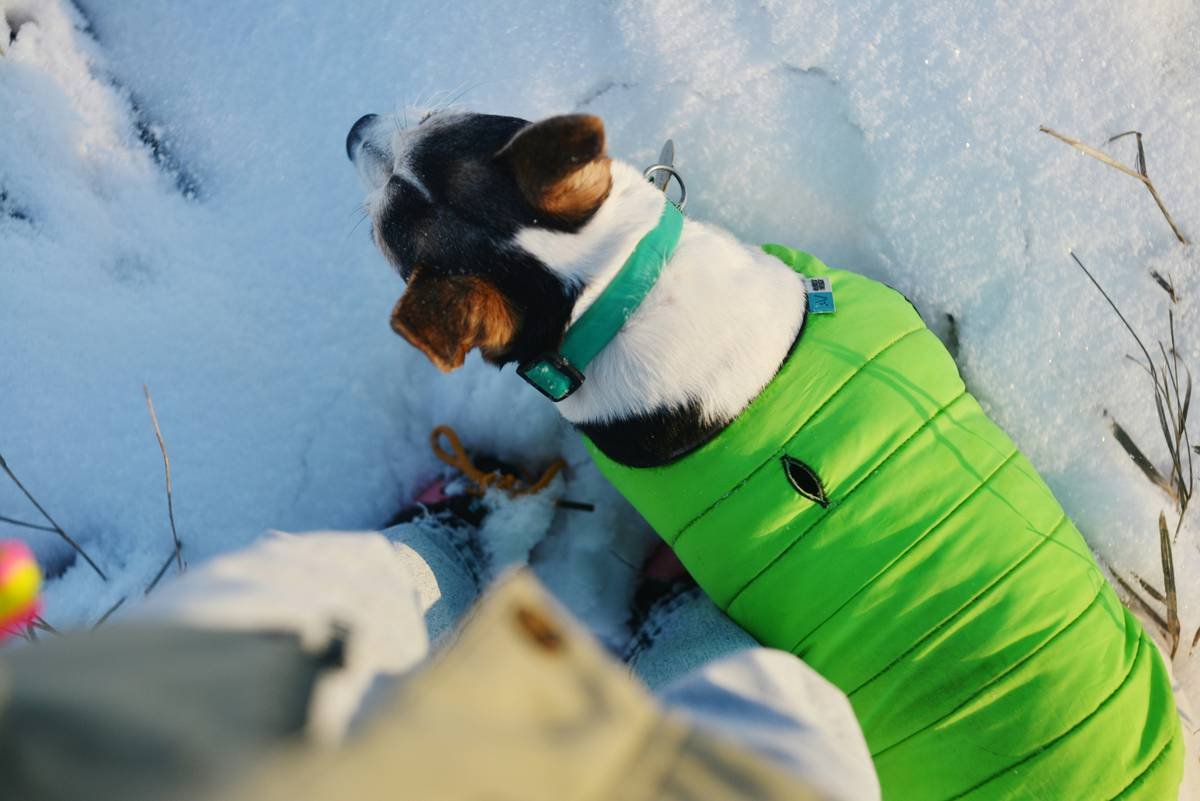
Summer-focused wear should feature light colors, UV 50+ protection, and airflow panels. Winter variants need wind-resistant shells + PCM cores that retain warmth without bulk. Avoid “all-season” claims—they’re usually compromises that excel at neither.
⚠️ Terrible Tip Alert!
“Just layer regular sweaters with cooling vests!” Nope. Trapped moisture between layers = chafing, hotspots, and bacterial growth. Smart wear must be engineered as a single integrated system.
Real-World Case Studies: Did It Help?
Case 1: Phoenix Fire Department K-9 Unit
In 2022, the Phoenix PD trialed PCM-lined cooling vests for their German Shepherds during 110°F patrols. Core body temp sensors showed a 4.2°F average reduction vs. standard gear over 90-minute shifts. Zero heat-related incidents reported that summer—down from 7 in 2021.
Case 2: My Husky in Maine Winters
My friend Lena’s husky, Nala, used to refuse walks below 20°F. After switching to a PCM-insulated coat from ThermaPaw, Nala’s outdoor time doubled. Lena shared thermal camera footage showing even heat distribution across Nala’s torso—no cold spots near the spine.
FAQs About Temperature Balanced Pet Wear
Is temperature balanced pet wear safe for cats?
Generally, no—most cats hate restrictive clothing, and stress outweighs thermal benefits. Exceptions exist for post-op recovery under vet supervision, but never force it.
How long do the cooling/heating effects last?
PCM tech typically maintains balance for 2–4 hours per activation cycle (e.g., exposure to sun or cold). Recharge happens passively via ambient temperature shifts—no batteries needed.
Can I wash temperature balanced pet wear?
Yes, but follow care labels precisely. Most require cold water, gentle cycle, and air drying. Heat drying degrades PCM capsules within 5–10 washes.
Do vets recommend this?
Many do—for high-risk breeds or extreme climates. Dr. Lisa Lippman, NYC veterinarian, states: “For brachycephalic dogs in urban heat islands, it’s a legitimate preventative tool when paired with hydration and shade.”
Conclusion
Temperature balanced pet wear isn’t sci-fi—it’s urgent, science-backed care for pets facing climate volatility. From preventing life-threatening overheating to enabling winter joy for thin-coated breeds, this smart clothing fills a critical gap traditional gear can’t. But buyer beware: demand proof, prioritize fit, and never treat it as a set-it-and-forget-it solution. Your pet’s comfort zone is narrow. With the right tech, you can keep them safely inside it.
Like a Tamagotchi, your pet’s thermal health needs daily attention—now upgraded with 21st-century smarts.