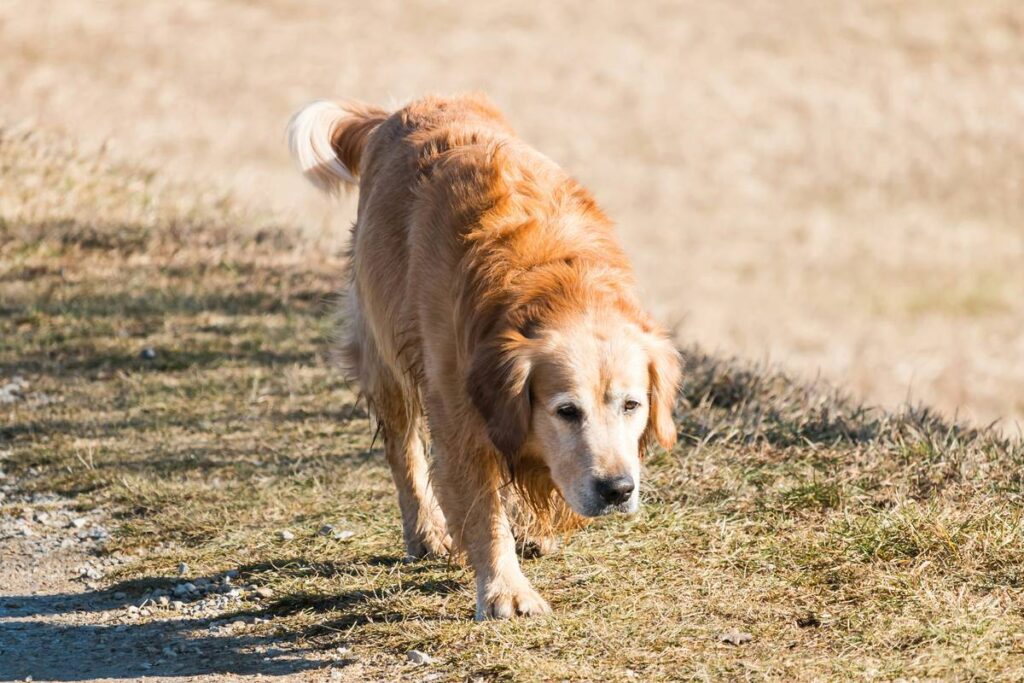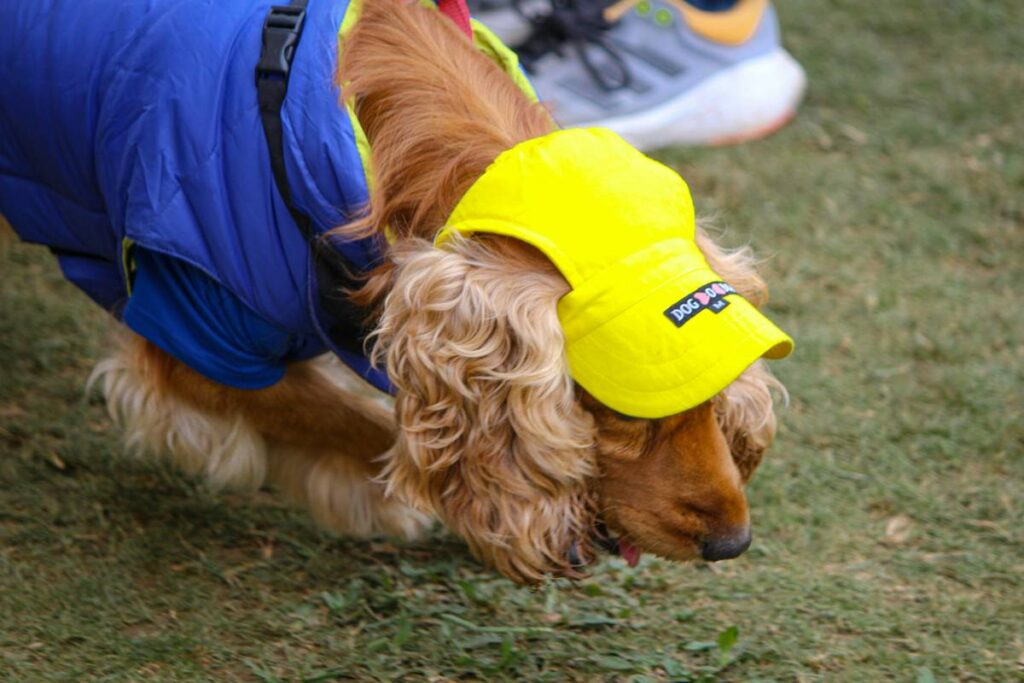
Your dog scratches, twists, or freezes the moment you zip up that “ultra-comfy” sweater. You bought it for warmth, cuteness, maybe even anxiety relief—but instead, you’ve draped stress fabric over four legs of frustration. That’s not comfort. That’s costume confinement. True pet clothing comfort design isn’t about fluff or fashion—it’s biomechanics disguised as fabric.
Why 90% of Pet Apparel Fails the Comfort Test
Manufacturers obsess over aesthetics and seasonal trends—not gait. Dogs don’t walk like humans. Their shoulders rotate forward; their spine flexes with every stride. Slap on a chest strap that pinches or a hem that rides up—and you’ve just turned your pup into a tension rod on paws.
And here’s the kicker: most “comfort” claims are based on human touch sensitivity, not canine thermoregulation or pressure-point mapping. A fleece that feels soft to you might trap heat in their undercoat, triggering panting or escape behaviors. The math is simple: if they’re not moving freely, it’s not working.
Building Real Comfort: A Step-by-Step Framework
Forget sizing charts that only measure neck and chest. Real pet clothing comfort design starts with motion—not measurements.
Map Natural Movement First
Watch your dog stretch, trot, and shake before taking a single measurement. Note where the skin bunches or fur parts unnaturally—that’s your red zone. Garments must accommodate full shoulder protraction without binding.
Choose Adaptive Materials
Cotton breathes but sags. Polyester wicks but traps odor. The sweet spot? A 4-way stretch knit with merino wool blend—soft against follicles, resilient through movement, and thermally adaptive.
Strategic Seam Placement
Flatlock seams along the spine? Fine. But never across the armpit or hip flexor. Those spots endure constant shear force—raised seams there = hotspots within minutes.

| Design Feature | Poor Comfort Outcome | Optimal Comfort Solution |
|---|---|---|
| Chest Closure | Buckle or snap under sternum | Magnetic clasp offset to side—no pressure on xiphoid process |
| Hemline | Fixed elastic band at rear | Asymmetrical tail vent + gusseted crotch panel |
| Neck Opening | Round crew neck | Keyhole back entry with chin guard—zero throat constriction |
The Industry Secret: Pressure Mapping Is the New Gold Standard
Top-tier labs now use canine-specific pressure-sensing mats during wear trials—just like those used in human orthopedic shoe design. One German startup discovered that even 30 grams of sustained pressure on a dog’s axillary region (armpit) increases cortisol levels measurably within 8 minutes. Yet most brands still prototype on mannequins with static poses. Think about it: your dog spends 14 hours a day lying down, curled or sprawled. If the fabric creases or folds when they’re horizontal? It’s failing the real-world test. True comfort means designing for collapse—not just carriage.
Frequently Asked Questions
Does thicker fabric mean better comfort for dogs?
No. Thickness often reduces airflow and restricts range of motion. Lightweight, multi-layer knits with air channels outperform bulky fabrics—especially for breeds with dense undercoats.
How do I know if my dog’s clothing fits properly?
You should slide two fingers flat under any seam—not just at the neck. And watch them move: no hitch in stride, no rear-leg licking, no frantic circling to remove it.
Can pet clothing comfort design help with anxiety?
Only if it avoids pressure points. Some therapeutic vests work—but standard sweaters add sensory overload. Comfort ≠ compression unless engineered precisely.