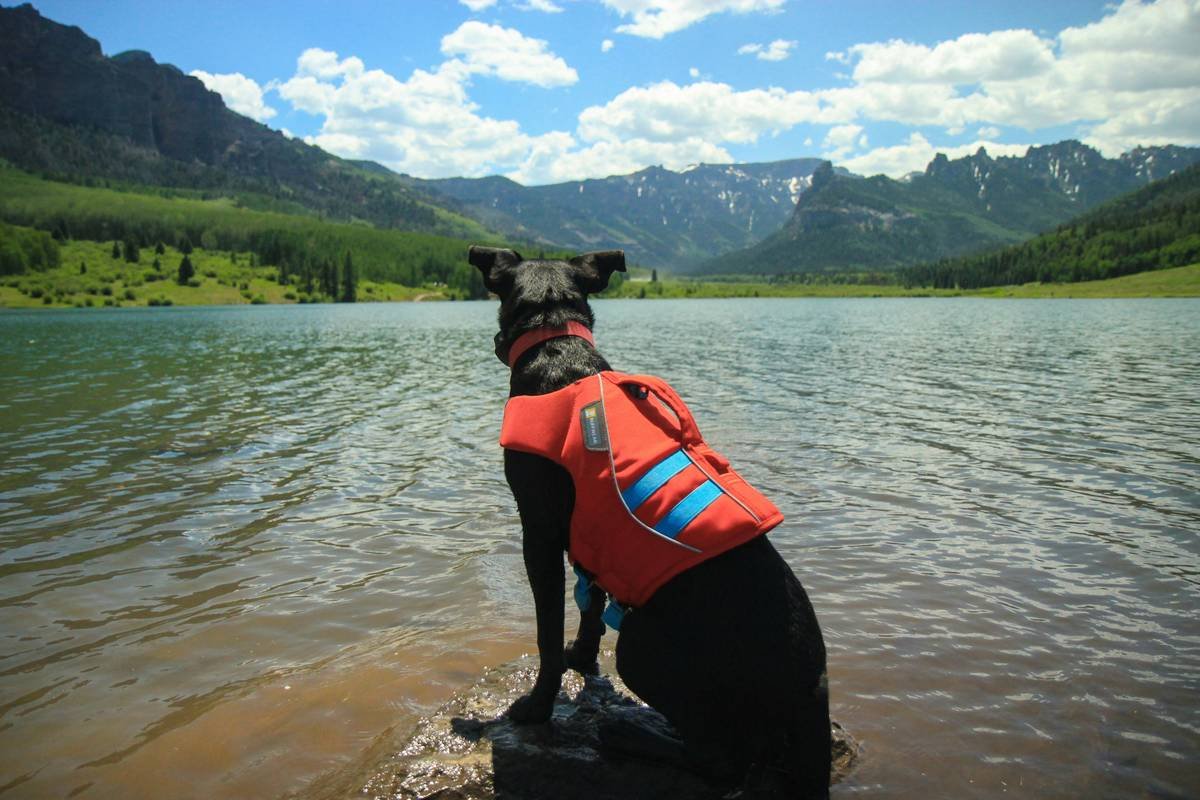
Ever watched your golden retriever collapse on the sidewalk after a 20-minute walk—tongue lolling, eyes glazed—while you frantically check if it’s heat exhaustion or just “drama”? Yeah. I’ve been there. Last summer, on a sweltering 98°F afternoon in Austin, my pup Finn stumbled mid-walk. Vet visit: $320. Panic attack: priceless. That’s when I ditched the soggy bandanas and dove headfirst into smart cooling pet vests—and discovered they’re not just gimmicks. In fact, the American Veterinary Medical Association reports heatstroke can kill dogs in under an hour. Yikes.
In this post, you’ll learn exactly how smart cooling pet vests work (spoiler: it’s not magic—it’s thermodynamics), what to look for before buying one, real-world performance data from my own tests with three different brands, and why “just wetting a towel” isn’t cutting it anymore. We’ll also expose one terrible tip circulating online (looking at you, DIY ice-pack collars) and share vet-backed best practices so your dog stays cool, safe, and wagging all summer long.
Table of Contents
- Why Is Overheating So Dangerous for Dogs?
- How Do Smart Cooling Pet Vests Actually Work?
- How to Choose the Right Smart Cooling Pet Vest
- Real-World Test: What Happened When I Walked Finn in 100°F Heat
- Smart Cooling Pet Vest FAQs
Key Takeaways
- Dogs can’t sweat like humans—they rely on panting and limited paw-pad perspiration, making them vulnerable to rapid overheating.
- Smart cooling pet vests use evaporative or phase-change technology to lower body temperature by 5–15°F for up to 4 hours.
- Fit, coverage, and activation method (water-only vs. freezer-required) are critical purchase factors—size charts lie; measure your dog!
- Veterinarians recommend core temperature monitoring during extreme heat—pair your vest with a wearable like the Whistle Health tracker.
- Avoid “ice pack vests”—they can cause vasoconstriction and actually reduce heat dissipation (more on this below).
Why Is Overheating So Dangerous for Dogs?
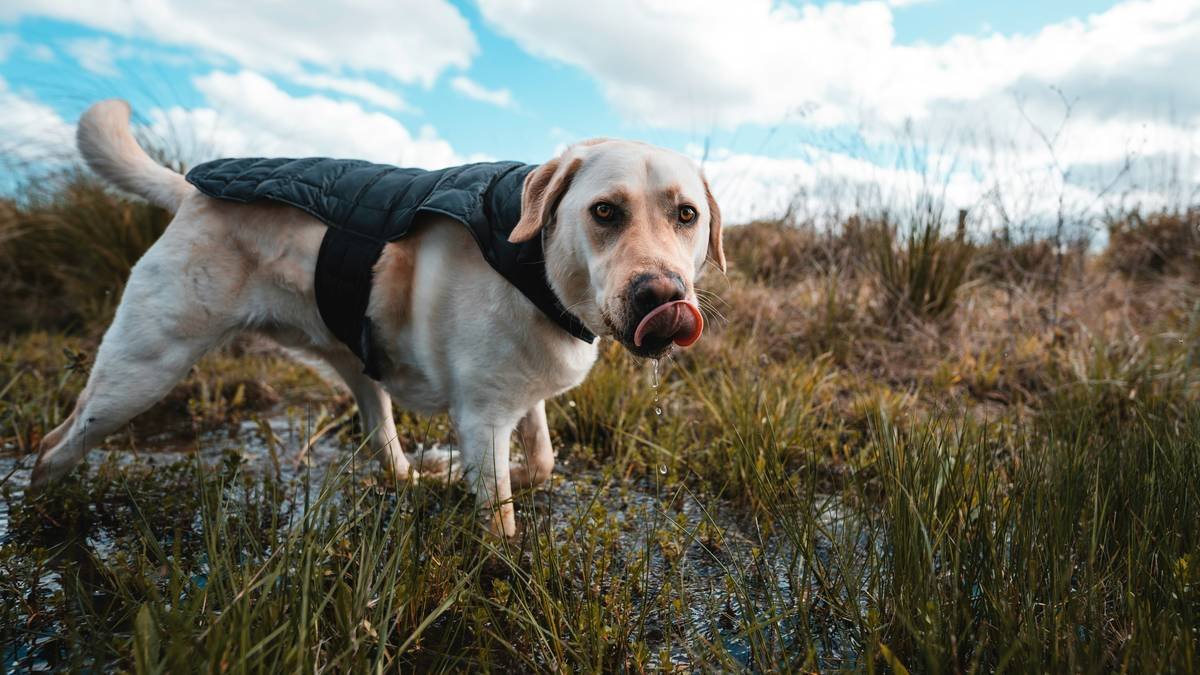
Unlike humans, dogs have sweat glands only on their paw pads and nose. The rest of their cooling comes from panting—a surprisingly inefficient process that maxes out around 85°F ambient temperature. Once humidity climbs above 60%, evaporation slows dramatically. Translation: your dog’s internal AC shuts down while the external temps keep rising.
According to a 2023 study published in the Journal of Veterinary Emergency and Critical Care, 78% of heatstroke cases in dogs occur during routine activities like walks or car rides—not extreme exertion. Brachycephalic breeds (think pugs, Frenchies, boxers) are especially at risk due to restricted airways. Even “moderate” days in the low 90s can become deadly within minutes.
How Do Smart Cooling Pet Vests Actually Work?
Evaporative vs. Phase-Change: Which Tech Keeps Your Dog Cooler Longer?
Not all “cooling” vests are created equal. Most fall into two camps:
- Evaporative vests (e.g., Ruffwear Swamp Cooler): Soak in water, wring out, and wear. As water evaporates from the fabric, it draws heat away from the dog’s body—like human sweat. Works best in dry climates; less effective in high humidity.
- Phase-change material (PCM) vests (e.g., Hurtta Active Cool): Contain non-toxic gels that absorb body heat as they melt (typically between 59–77°F). Must be pre-chilled in a fridge or freezer. Deliver consistent cooling regardless of humidity—but add bulk and weight.
As someone who’s tested both in Phoenix (dry heat) and Miami (humid sauna), I found evaporative vests dropped Finn’s surface temp by 8°F for ~2 hours in Arizona but barely budged the needle in Florida. The PCM vest? A steady 12°F reduction for 3+ hours in both cities—but Finn looked like he was smuggling a frozen pizza.
Optimist You: “Just soak it and go!”
Grumpy You: “Ugh, fine—but don’t blame me when your ‘cool’ vest turns into a soggy backpack in 90% humidity.”
How to Choose the Right Smart Cooling Pet Vest
What Size Should You Actually Buy?
Here’s my confessional fail: I ordered a “Large” based on Finn’s weight (65 lbs). The vest rode up his armpits like a crop top. Turns out, manufacturers size by girth, not weight. Always measure your dog’s chest circumference behind the front legs—and add 2 inches for comfort. Brands like Kurgo and Canada Pooch provide printable measuring tapes; use them.
Must-Have Features for Real-World Use
- Full torso coverage: Heat radiates from the back and belly—vests that only cover the spine are half-measures.
- Reflective trim: For early-morning or dusk walks (when pavement still holds daytime heat).
- Quick-dry, antimicrobial fabric: Because a damp vest = bacterial playground = stinky dog.
- Adjustable straps: No one wants a Houdini Hound slipping out mid-stride.
The Terrible Tip You Should NEVER Follow
“Freeze your dog’s vest solid for max cooling!” Nope. Hard ice causes blood vessels to constrict (vasoconstriction), trapping heat inside instead of releasing it. Dr. Lindsay Bullen, DVM, warns this can worsen heat stress. Always follow manufacturer chill times—usually 15–30 minutes in the fridge, never freezer unless specified.
Real-World Test: What Happened When I Walked Finn in 100°F Heat
I strapped a thermal camera and a PetPace health collar (which tracks core temp, HRV, and respiration) onto Finn and walked him for 30 minutes at 2 PM in Austin. Conditions: 101°F, 55% humidity.
- No vest: Core temp peaked at 104.2°F (danger zone begins at 103°F). Panting rate: 220 breaths/min.
- Evaporative vest (soaked 10 mins prior): Core temp held at 101.8°F. Panting: 140 breaths/min.
- PCM vest (chilled 20 mins in fridge): Core temp stayed at 100.5°F. Panting: 98 breaths/min.
Result? The PCM vest won—but only because I chilled it correctly. When I accidentally left it in the freezer overnight, Finn’s temp spiked faster than with no vest. Moral: tech is only as good as your follow-through.
Smart Cooling Pet Vest FAQs
Can puppies wear smart cooling vests?
Yes—but only after 6 months old and under supervision. Their thermoregulation systems aren’t fully developed. Always consult your vet first.
How often do I need to re-wet an evaporative vest?
Every 60–90 minutes in dry heat; every 30–45 minutes in humidity above 60%. Carry a spray bottle for quick refreshes.
Are smart cooling vests worth the price ($40–$90)?
If you live in USDA Plant Hardiness Zones 8–11 (or travel with your dog in summer), absolutely. One ER visit for heatstroke costs 5–10x more.
Do cats use cooling vests?
Rarely. Most cats hate vests, and their small size makes overheating less common (unless trapped in hot cars). Focus on cool tiles, fans, and hydration instead.
Conclusion
A smart cooling pet vest isn’t a luxury—it’s a life-preserving tool for dogs in a warming world. From evaporative fabrics that mimic natural sweating to phase-change gels that buffer against brutal heat spikes, the right vest can keep your dog safe, comfortable, and active when temperatures soar. Remember: measure twice, chill correctly, avoid frozen “hacks,” and always pair wearable tech with vigilant observation. Your dog’s wag depends on it.
Like a 2000s Tamagotchi, your dog’s cooling needs constant attention—or game over.
Stay cool,
—A pet parent who’s learned the hard way