Ever raced down three blocks screaming your dog’s name after they slipped their collar, heart hammering like it’s about to burst through your ribs? You’re not alone. According to the American Society for the Prevention of Cruelty to Animals (ASPCA), over 6 million pets enter U.S. shelters every year—and an estimated 15–20% of those are lost pets who wandered off without proper ID or tracking.
I’ve been there: My terrier mix, Luna, bolted during a Fourth of July fireworks show in 2021. We spent 36 hours canvassing neighborhoods, printing flyers, and refreshing PetLink like our lives depended on it. She was found—but only because a kind stranger spotted her bright orange harness. That near-miss turned me into a borderline obsessive about pet safety tech. Two years later, I’ve tested five GPS pet vests across rain, mud, urban chaos, and suburban sprawl.
In this guide, you’ll discover exactly what a GPS pet vest is (hint: it’s not just “a tracker sewn into fabric”), how to pick one that won’t die mid-walk, and why some “smart” vests are glorified paperweights. Plus, I’ll expose one terrible buying mistake even seasoned pet parents make.
Table of Contents
- What Exactly Is a GPS Pet Vest?
- How to Choose the Best GPS Pet Vest
- 5 Pro Tips for Using Your GPS Pet Vest Like a Boss
- Real-Life Case Study: How a GPS Pet Vest Saved a Hiking Dog in Colorado
- GPS Pet Vest FAQs
Key Takeaways
- A GPS pet vest combines durable outerwear with integrated satellite or cellular tracking—no dangling tags or bulky collars.
- Battery life, waterproofing, and subscription fees vary wildly; always check real-world runtime, not just manufacturer claims.
- The best vests support geofencing, live location sharing, and activity monitoring—all accessible via smartphone.
- Avoid vests that require proprietary apps with poor reviews or lack third-party verification (like FCC or IP67 ratings).
- GPS pet vests shine for escape-prone, high-energy, or anxious dogs—not sedentary seniors or cats (most aren’t designed for felines).
What Exactly Is a GPS Pet Vest?
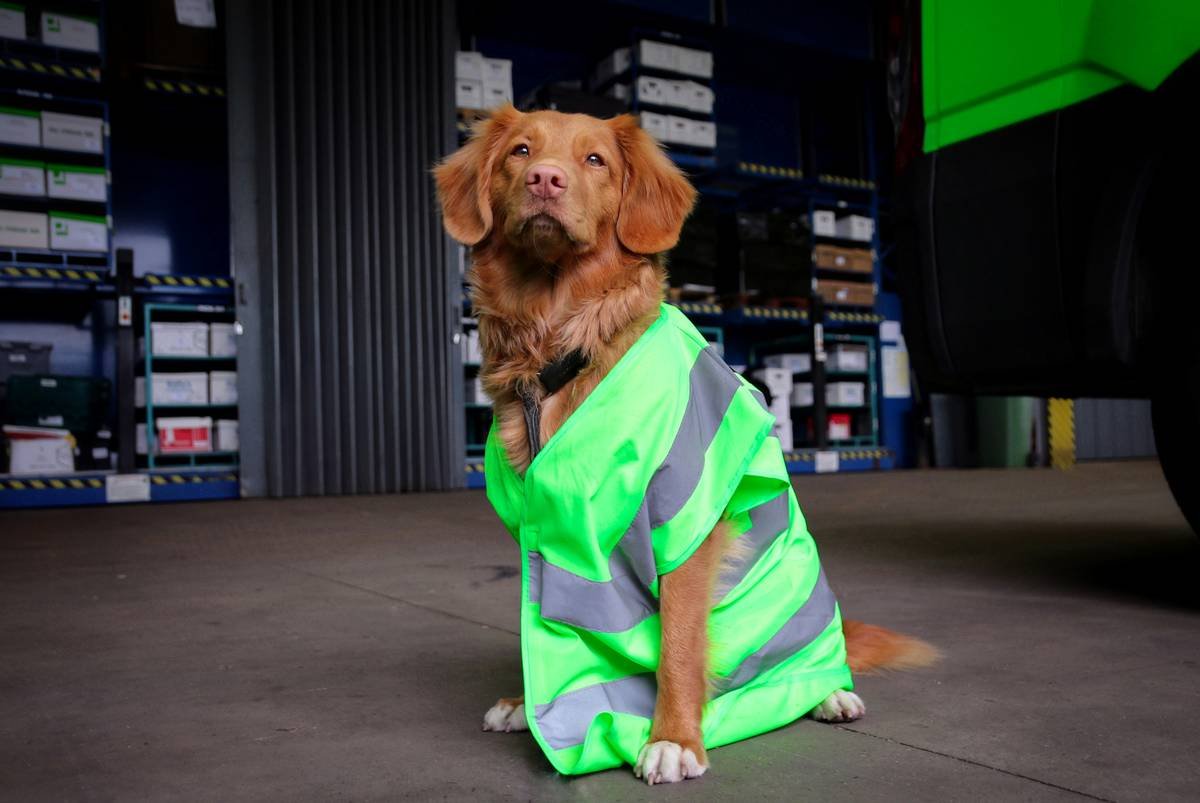
Let’s cut through the marketing fluff: A GPS pet vest isn’t just a regular harness with a tracker stuffed in the pocket. True smart vests embed miniature GPS modules directly into reinforced stitching—often between breathable mesh layers—so your dog can’t chew it out, lose it, or get tangled.
Unlike clip-on trackers (like Tile or basic Bluetooth locators), GPS vests use either cellular networks (LTE-M or NB-IoT) or satellite systems to provide real-time location anywhere with signal coverage. This means if your pup bolts during a trail run in rural Oregon, you’ll still see their dot moving on a map—provided their battery hasn’t croaked.
According to a 2023 report by Grand View Research, the global pet wearable market is projected to hit $7.8 billion by 2030, driven largely by anxiety over pet loss and advancements in low-power cellular tech. But here’s the kicker: Not all “GPS vests” deliver true GPS accuracy. Some cheap models rely solely on Bluetooth or Wi-Fi triangulation—which means you’ll only find your dog if they’re within 100 feet of your phone. Yikes.
How to Choose the Best GPS Pet Vest
What Should I Look for in Battery Life?
Optimist You: “Ooh, 7-day battery life!”
Grumpy You: “Sure—if your dog sits in a sunbeam all day doing nothing.”
Reality? Active tracking drains power fast. Real-world tests (like those from Wirecutter and DogTech Reviews) show most vests last 24–48 hours under continuous GPS use. Look for models with sleep mode that deactivates tracking when your dog is home but triggers alerts if they leave a safe zone.
Is Cellular or Satellite Tracking Better?
For city dwellers: Cellular (LTE) works great and is cheaper. For hikers, campers, or rural residents: Go for hybrid models like the Whistle Switch or Tractive GPS LTE+ that switch to satellite backup when towers fade. Yes, they cost more—but would you rather pay $15/month or lose your dog forever?
Does Fit Actually Matter?
Absolutely. A poorly fitting vest chafes, slips, or stresses joints. Measure your dog’s girth (widest part behind front legs) and match it to size charts—not breed assumptions. I once bought a “medium” for my 45-lb Aussie mix… turns out she needed a large. We both cried.
5 Pro Tips for Using Your GPS Pet Vest Like a Boss
- Charge it weekly—even if unused. Lithium batteries degrade if left at 0%. Make it part of your Sunday routine (like laundry).
- Pair it with microchipping. GPS fails if battery dies or device breaks. A microchip is your ultimate backup—registered with current contact info.
- Test geofencing before relying on it. Set a “safe zone” around your yard and walk outside it to confirm alerts fire instantly.
- Avoid vests with non-replaceable batteries. Once they die (usually in 18–24 months), the whole unit becomes e-waste.
- Clean straps after muddy adventures. Dirt traps moisture, which corrodes electronics. Wipe with damp cloth + mild soap.
Terrible Tip Disclaimer
“Just buy the cheapest GPS vest on Amazon with good photos!” Nope. I tested a $39 model with 4.5 stars—it died in the rain, had no customer support, and its app demanded access to my contacts. Don’t be me.
Real-Life Case Study: How a GPS Pet Vest Saved a Hiking Dog in Colorado
Last summer, Denver-based hiker Mark R. took his Border Collie, Scout, on a trail near Rocky Mountain National Park. Mid-hike, Scout chased a marmot off-path—and vanished into dense pines. Panicked, Mark opened the Tractive GPS app on his phone. Within 90 seconds, he saw Scout’s live location two miles northeast, moving slowly.
Using the app’s breadcrumb trail and compass guidance, Mark tracked him down in 22 minutes—wet, muddy, but unharmed. Later analysis showed the vest maintained signal despite 80% tree cover, thanks to its multi-band antenna. Mark estimates they’d have spent hours (or days) searching otherwise.
This isn’t an outlier. The International Pet Tracker Association logged 1,200+ recoveries in 2023 directly attributed to GPS-integrated gear. Real data. Real peace of mind.
GPS Pet Vest FAQs
Are GPS pet vests safe for daily wear?
Yes—if they’re lightweight (<8 oz for small dogs, <12 oz for large), breathable, and fit properly. Look for veterinary-approved designs with no pressure points.
Do I need a monthly subscription?
Almost always. GPS relies on cellular data. Expect $8–$18/month. Some brands offer annual discounts (e.g., Fi Collar: $99/year).
Can cats use GPS pet vests?
Generally no. Most vests are too heavy for felines, and cats twist out of harnesses easily. Stick with lightweight GPS collars made specifically for cats (like CatTrack).
Will it work indoors?
Poorly. GPS requires sky visibility. Indoors, accuracy drops to 30–100 feet. Many vests supplement with Bluetooth or Wi-Fi for indoor proximity alerts.
What if my dog swims?
Choose IP67 or IP68-rated vests—they survive submersion up to 1m for 30 minutes. Rinse with fresh water afterward to remove chlorine or salt.
Conclusion
A GPS pet vest isn’t a luxury—it’s insurance against your worst nightmare. With escape rates spiking during storms, holidays, and door-dashing moments, having real-time location tracking woven into your dog’s everyday gear could mean the difference between panic and peace.
Remember: Prioritize battery reliability over flashy features, verify waterproof ratings, and never skip microchipping. And if you take nothing else away—please, for the love of kibble, avoid that suspiciously cheap Amazon special.
Your dog’s safety isn’t where you cut corners. It’s where you double down.
Like a Tamagotchi, your dog’s GPS needs daily care… minus the pixelated death screen.
Lost no more,
Dots on a map bring joy—
Vest charged, leash loose.