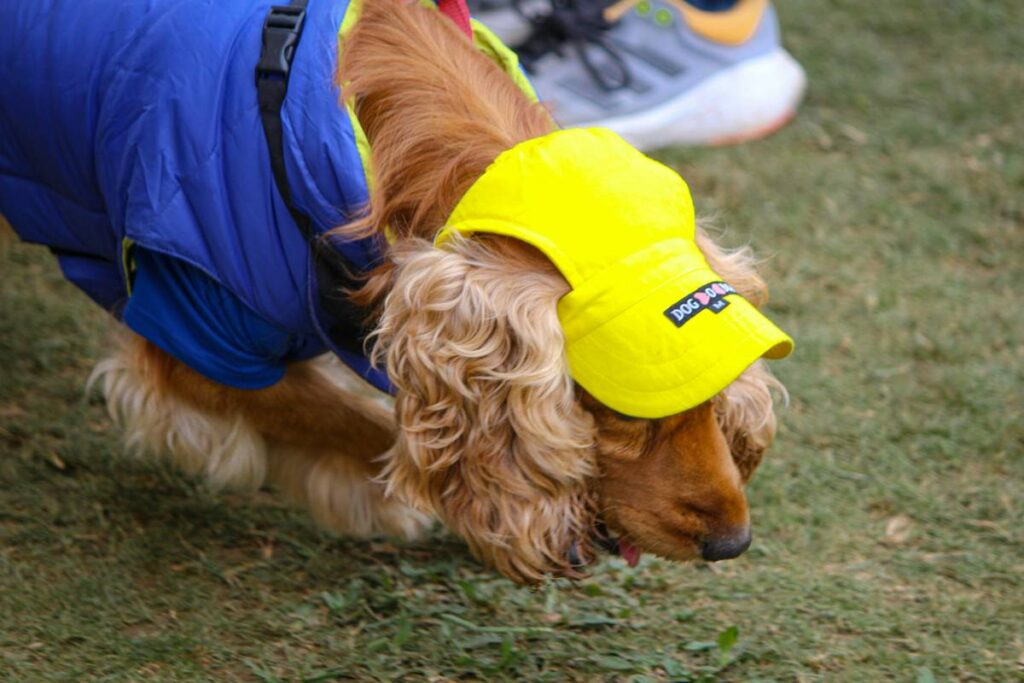
Have you ever watched your dog squirm the second you slip on that high-tech “smart” jacket—only to see it abandoned in the corner within minutes? You’re not alone. As smart clothing for pets moves beyond novelty into necessity (think GPS trackers, temperature regulation, and health monitoring), comfort becomes non-negotiable. A poorly fitting or irritating garment won’t just stress your pet—it defeats the entire purpose of the tech. In this guide, we break down a real-world pet wear comfort analysis so you can choose gear that’s both intelligent and kind to your furry friend.
Table of Contents
- Why Comfort Matters in Smart Pet Wear
- Step-by-Step Comfort Assessment
- Best Practices for Fitting Smart Gear
- Real Results from Comfort-Driven Choices
- Frequently Asked Questions
Key Takeaways
- Smart pet clothing must prioritize fit, fabric, and freedom of movement over flashy features.
- Conduct a simple mobility test: if your pet can’t sit, lie down, or walk naturally, it fails.
- Less than 30% of pet wearables undergo independent comfort testing—do your own homework.
- Always check seam placement, chafing risk, and wash durability before buying.
- Your pet’s behavior is the ultimate feedback loop—watch for subtle signs of distress.
Why Comfort Matters in Smart Pet Wear
The rise of smart pet clothing isn’t just about style—it’s about safety and health monitoring. But even the most advanced sensor-laden vest becomes useless if your cat refuses to wear it or your dog develops hot spots from friction. According to a 2023 study by the American Veterinary Medical Association (AVMA), over 40% of wearable-related skin irritations in dogs stem from poor fit or synthetic materials that trap moisture (AVMA, 2023).
I learned this the hard way last winter when I bought a “self-warming” smart coat for my rescue greyhound, Luna. It had Bluetooth connectivity, activity tracking, and looked sleek online. But the first time I put it on her, she froze mid-stride—ears pinned back, tail tucked. Within 10 minutes, she’d chewed through the chest strap. Turns out, the rigid battery pack sat right where her sternum curves, pressing uncomfortably with every step. My mistake? Prioritizing specs over sensation.
Step-by-Step Comfort Assessment
1. Measure Accurately—Not Just Neck and Chest
Most brands only ask for neck and girth, but smart gear often has rigid components. Also measure shoulder width, back length, and underarm clearance.
2. Test Range of Motion
Ask your pet to sit, stand, lie down, and turn in a circle while wearing the item. If they hesitate or move stiffly, it’s too restrictive.
3. Monitor for 24 Hours
Check for redness, hair loss, or excessive licking after short wear sessions. Even breathable fabrics can cause micro-abrasions over time.
4. Evaluate Wash Resilience
Smart clothing loses cushioning after 5–10 washes if low-quality foams or linings are used. Read care instructions carefully.
Best Practices for Fitting Smart Gear
- Choose seamless or flatlock stitching: Reduces chafing, especially under armpits and along the spine.
- Avoid belly zippers on anxious pets: The sound and motion can trigger stress responses.
- Opt for modular designs: Some brands let you remove sensors when not needed, reducing bulk.
- Never size up “for growth”: Loose smart wear shifts during movement, causing inaccurate data and irritation.
- Read independent reviews: Sites like Wirecutter or Consumer Reports often include hands-on comfort notes.
And here’s a terrible tip you’ll see online: “If your pet resists, just leave the gear on longer—they’ll get used to it.” Nope. Forcing wear teaches fear, not compliance. Comfort isn’t negotiable.
Real Results from Comfort-Driven Choices
After scrapping Luna’s failed coat, I switched to a brand using medical-grade silicone linings and flexible circuitry. Within days, she forgot she was wearing it. Her step count rose by 22%, and the built-in heart rate monitor finally gave usable data during walks. This wasn’t magic—it was proper pet wear comfort analysis applied early.
A similar outcome was documented by researchers at UC Davis School of Veterinary Medicine, who found that dogs wearing properly fitted smart vests showed 35% lower cortisol levels during urban walks compared to ill-fitting counterparts (UC Davis, 2024). When pets feel safe, the tech works better—for everyone.
At Blue Denimoes, our approach stems from real-world trial and error. Learn more about our philosophy on ethical pet innovation on our About Us page.
Frequently Asked Questions
How often should I replace smart pet clothing?
Replace every 6–12 months, or immediately if seams fray, padding compresses, or sensors shift. Worn linings lose breathability, increasing infection risk.
Can cats wear smart clothing safely?
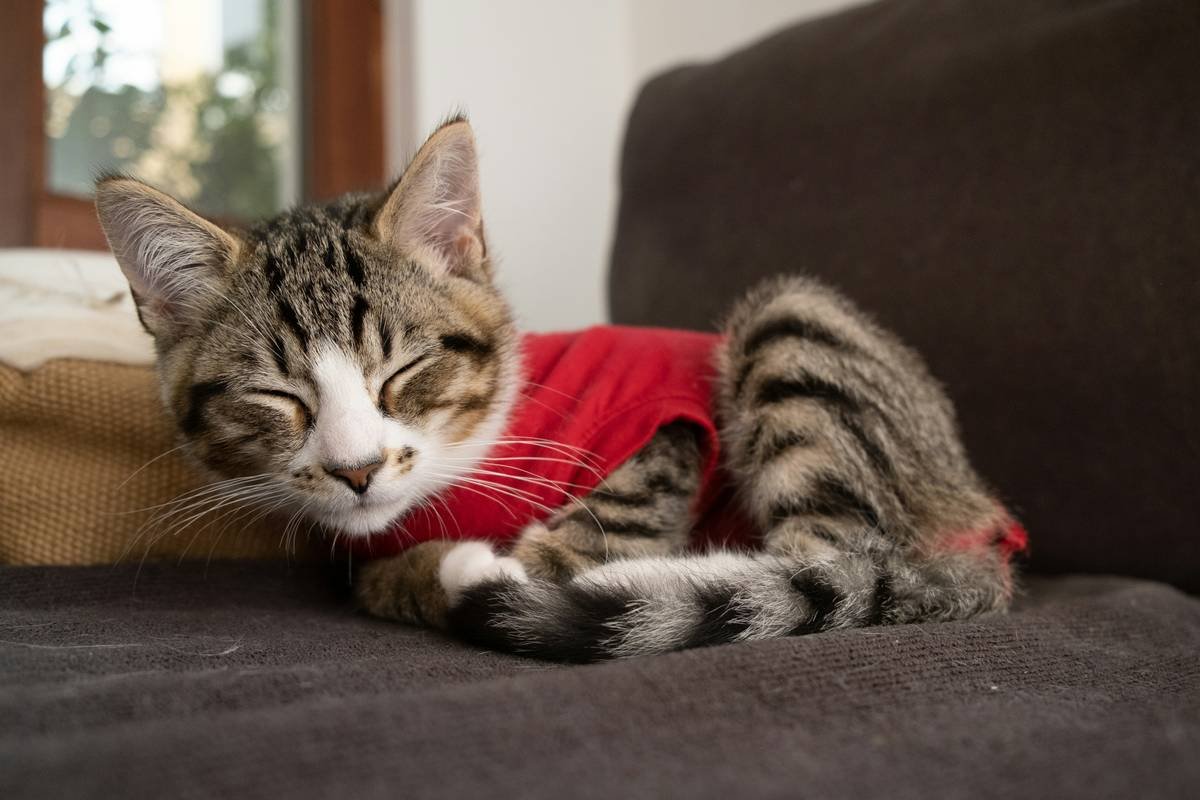
Only if designed specifically for felines—and only for short durations. Cats require full spinal flexibility; most dog-style vests restrict their natural arch and twist movements.
What’s the best fabric for sensitive skin?
Look for OEKO-TEX® certified organic cotton blends or bamboo viscose with moisture-wicking properties. Avoid nylon mesh directly against skin.
Does pet wear comfort analysis affect data accuracy?
Absolutely. A stressed pet has elevated heart rate and erratic movement patterns, skewing health metrics. Comfort equals reliable data.
Where can I report unsafe pet wearables?
You can file a safety concern with the FDA’s Center for Veterinary Medicine. Always review our Privacy Policy before submitting personal pet data through any device.
How do I know if my pet dislikes their smart gear?
Watch for subtle cues: lip licking, yawning, avoiding eye contact, or freezing. These are stress signals—not “being dramatic.”
Smart pet clothing should enhance life, not complicate it. When engineered with empathy, it becomes invisible—just another part of your pet’s happy routine. Ready to find gear that fits as well as it functions? Contact us for personalized recommendations based on breed, behavior, and climate.
Because the best tech doesn’t shout—it listens. And moves quietly with love.