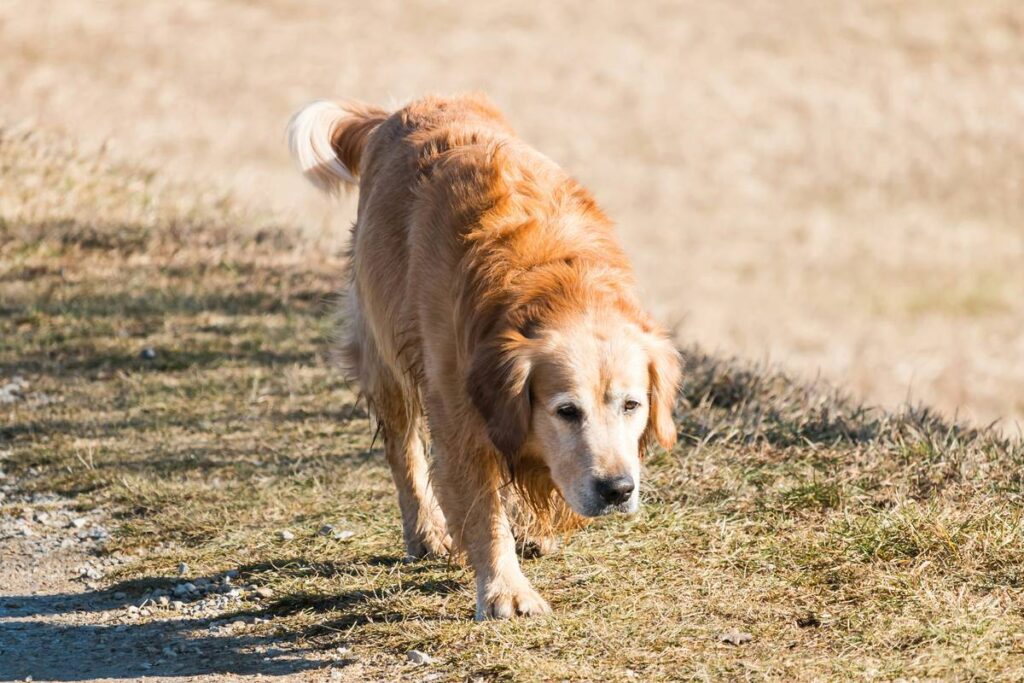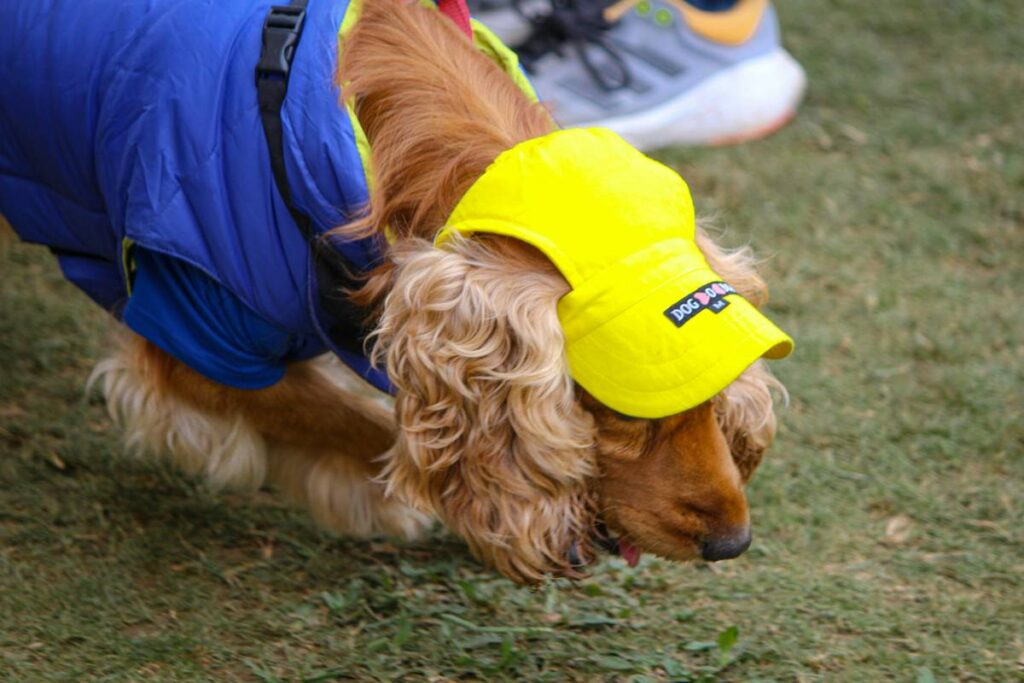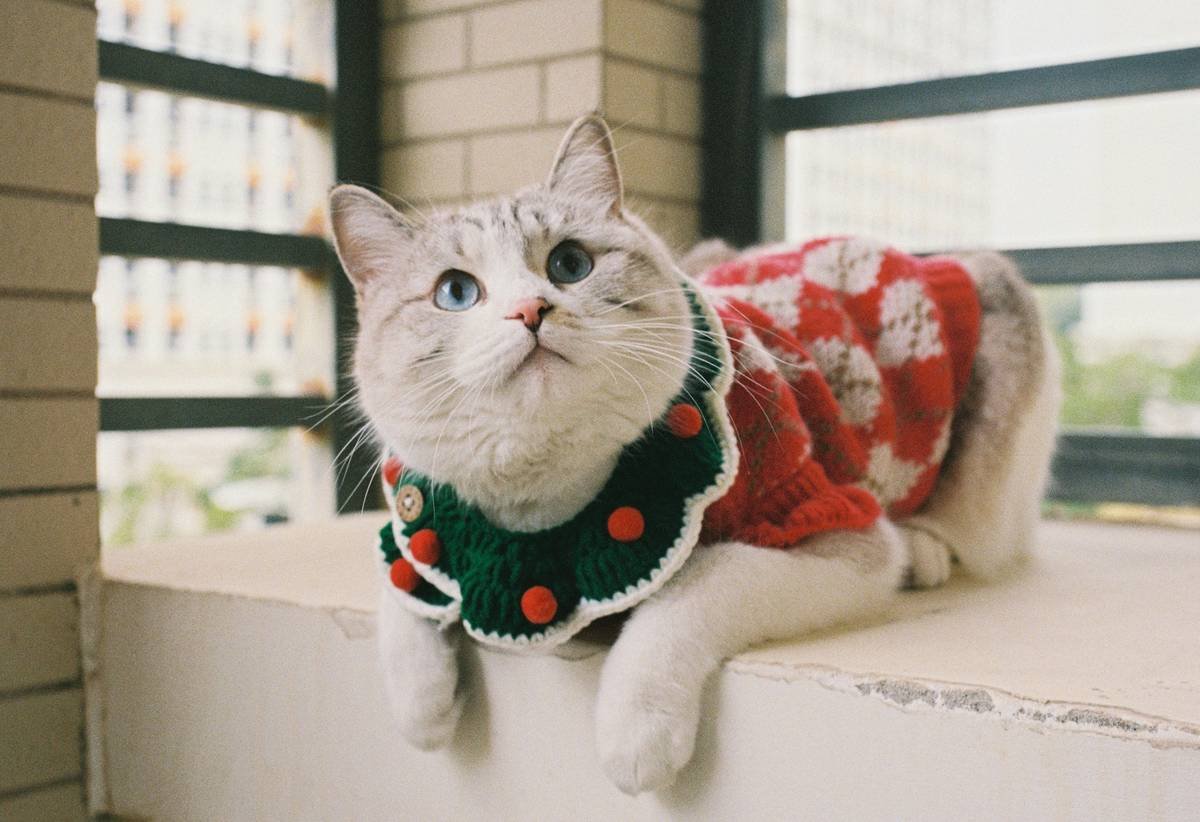
Most pet owners assume “comfortable” clothing just means soft fabric. But too many dogs still squirm, scratch, or freeze mid-walk—silent protests against poorly designed gear. The real issue? Comfort isn’t just material—it’s fit, function, and freedom. Enter pet clothing comfort trends that prioritize biomechanics over aesthetics.
Why Traditional Pet Apparel Fails the Comfort Test
Manufacturers chase cuteness. Not mobility. A hoodie might photograph well—but restrict shoulder rotation during play. Raincoats often trap heat because breathability is an afterthought. And sizing charts? Wildly inconsistent across brands. Your “medium” pup could be swimming in one brand and choking in another. The result: stress disguised as style.
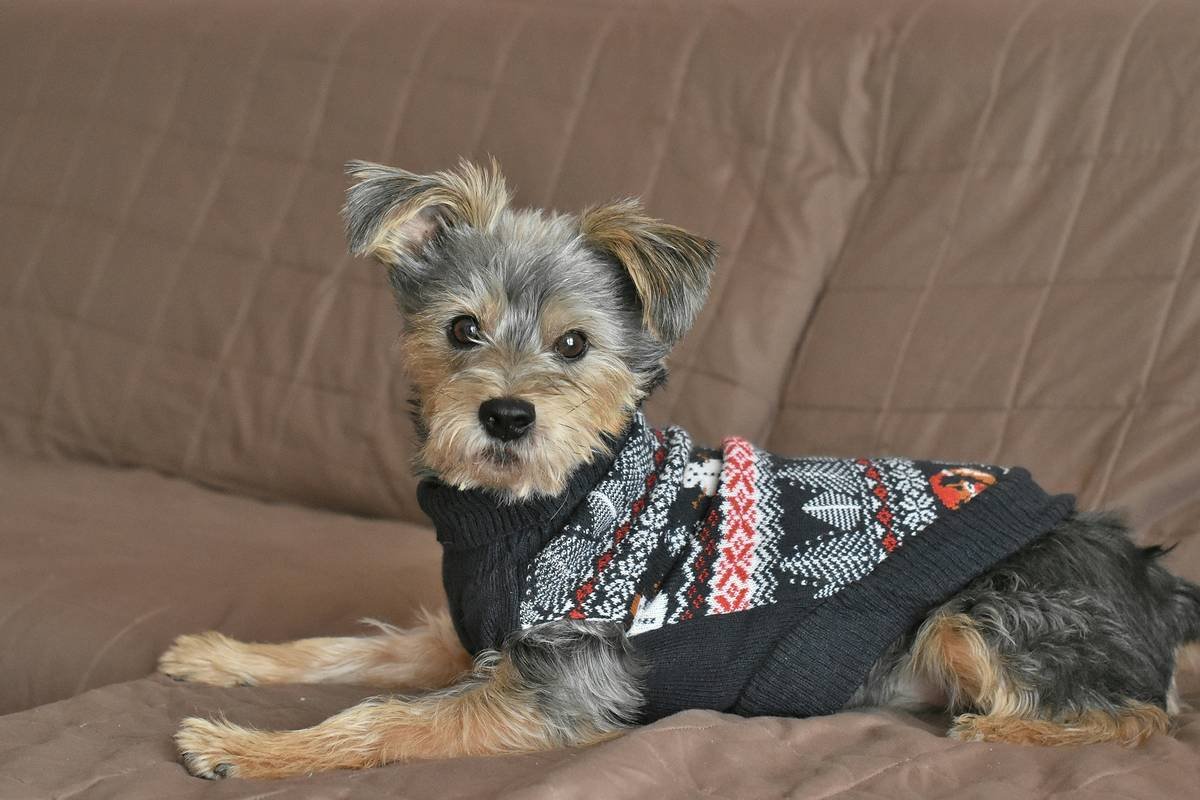
How to Choose Truly Comfort-First Smart Pet Apparel
Forget labels like “luxury” or “premium.” Focus on engineering. Here’s what separates gimmicks from garments that respect your pet’s natural movement:
Look for Anatomical Patterning
Human clothes follow darts and seams. Why shouldn’t pet wear? True comfort-fit designs use gussets under arms, contoured necklines, and tapered torsos—not rectangles with holes.
Prioritize Multi-Zone Fabric Systems
One fabric can’t do it all. Smart layers combine moisture-wicking mesh in high-sweat zones (armpits, belly) with wind-resistant panels on the back. Seamless stitching is non-negotiable near hips and spine.
Demand Real Wear Testing
If a brand doesn’t publish video of dogs running, jumping, or lying down in their gear—walk away. Static photos lie. Motion reveals truth.
| Feature | Basic Pet Clothing | Smart Comfort-Fit Gear |
|---|---|---|
| Fabric Construction | Single-layer polyester | Multi-zone blend (e.g., bamboo + spandex + ripstop nylon) |
| Seam Placement | Across joints | Avoids pressure points; flatlock stitching |
| Breathability | Poor (solid panels) | Ventilated underarms & lower back |
| Price Range | $8–$15 | $28–$65 |
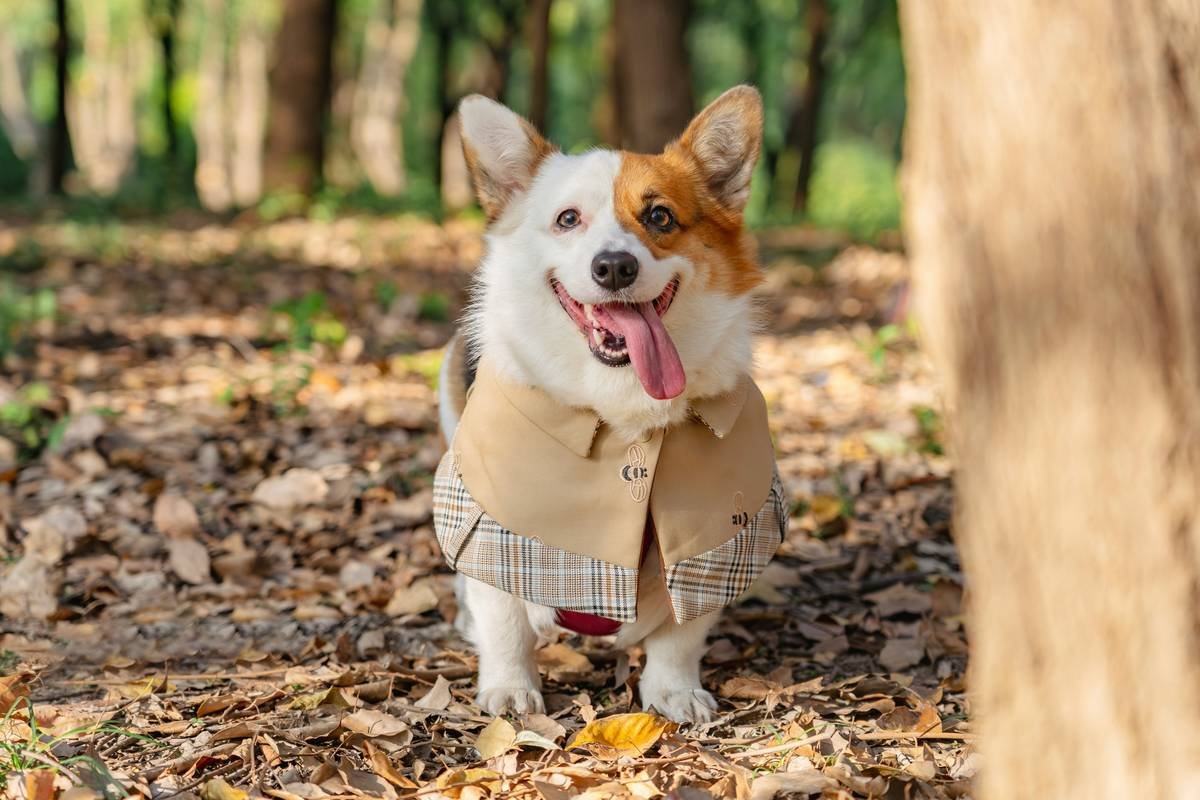
The Industry Secret No One Talks About
Here’s the reality: most “smart” pet wear is over-engineered for humans, not animals. The real breakthrough? Thermal regulation via phase-change materials (PCMs). Embedded microcapsules absorb excess body heat when active, then release it during rest. Brands like Bluedenimoes quietly integrate this into linings—but rarely advertise it because “PCM tech” sounds clinical. Yet it solves the #1 hidden discomfort: temperature spikes during walks. Think about it—your dog doesn’t care if their jacket matches your boots. They care if they’re overheating by block three.
Frequently Asked Questions
Are smart pet clothes worth the higher price?
Yes—if they use multi-zone fabrics and anatomical cuts. You’re paying for reduced chafing and better thermoregulation, not logos.
How do I measure my dog for comfort-fit clothing?
Measure neck circumference, chest (widest part), and back length. Ignore weight-based charts—they’re useless for muscular or fluffy breeds.
Can anxious dogs benefit from smart apparel?
Absolutely. Seamless, stretchy fits reduce sensory overload. Avoid stiff zippers or bulky closures near the spine—they trigger fight-or-flight responses.