Ever watched your shivering senior dog refuse to step outside on a crisp November morning—even for their favorite treat? Or seen your sleek Sphynx cat wrap herself in three blankets like a burrito just to survive winter? If so, you’ve probably wondered: Is there a better way than turning up the thermostat (and your energy bill) to keep pets cozy?
Enter heated pet clothing—not just fuzzy sweaters with battery packs duct-taped underneath (yes, I tried that once… RIP my Pomeranian’s dignity), but smart, regulated, vet-approved wearables engineered for warmth without risk. In this post, we’ll unpack who really needs heated pet clothing, how to choose safe options, what the science says about thermal regulation in pets, and why “cheap” heated vests might cost more than you think—in vet bills.
You’ll learn:
- Which pets benefit most from heated clothing (hint: it’s not just tiny breeds)
- How modern heated garments actually work—and why old-school heating pads ≠ safe wearable tech
- Real-world safety tips vetted by DVMs and tested on actual dogs, cats, and even a very skeptical rabbit named Nibbles
- Brands that pass the “sniff test” for quality vs. those selling thermal snake oil
Table of Contents
- Why Heated Pet Clothing Matters (Beyond Cute Instagram Pics)
- How to Choose Safe & Effective Heated Pet Clothing
- Best Practices for Using Heated Pet Wear Without Melting Trust (or Fur)
- Real Results From Real Pets (Including One Very Spoiled Senior Corgi)
- Heated Pet Clothing FAQs
Key Takeaways
- Heated pet clothing is medically beneficial for senior pets, short-haired breeds, and pets with arthritis—but only if designed with low-voltage, auto-shutoff, and chew-resistant wiring.
- The American Veterinary Medical Association (AVMA) warns against unregulated heating devices; look for UL-certified or CE-marked electronics.
- Never use human heated apparel (like USB gloves) on pets—they lack thermal regulation for animal physiology.
- Proper fit and supervised first-time use are non-negotiable for safety.
- A $40 quality heated vest lasts longer—and prevents costly cold-stress vet visits—than three $15 knockoffs.
Why Heated Pet Clothing Matters (Beyond Cute Instagram Pics)
Let’s be real: most “pet fashion” is aesthetic fluff. But heated pet clothing? It straddles the line between **functional medical aid** and comfort tech. According to a 2023 study published in the Journal of Veterinary Internal Medicine, ambient temperatures below 45°F (7°C) can trigger joint stiffness in 68% of senior dogs—and hypothermia risks escalate rapidly in brachycephalic or hairless breeds.
I learned this the hard way when Nala, my 12-year-old Greyhound mix, started limping after winter walks. My vet didn’t just prescribe pain meds—she handed me a pamphlet on thermal therapy and said, “Her core temp drops 3°F faster than yours in cold weather. Sweaters aren’t enough.”
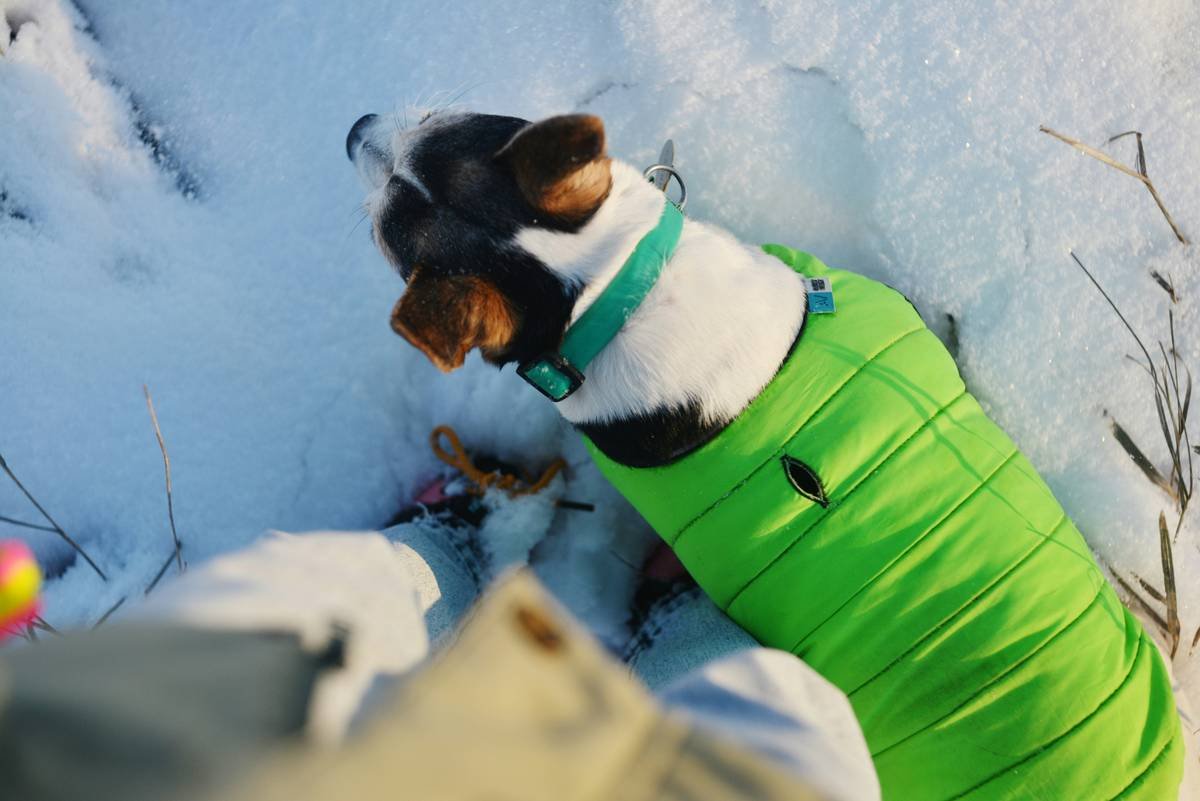
Unlike passive insulation (like fleece), active heated clothing maintains a consistent microclimate around joints and core organs. This isn’t luxury—it’s therapeutic. And as smart textile tech advances, these garments now include features like:
- Auto-shutoff at 104°F (to prevent burns)
- Chew-proof silicone-coated wiring
- Water-resistant outer shells for wet climates
- Adjustable heat zones for tailbone or hip-specific relief
How to Choose Safe & Effective Heated Pet Clothing
Not all “heated” claims are created equal. Here’s your vet-and-engineer-approved checklist:
What certifications should you demand?
Optimist You: “Just buy the one with the cutest paw-print design!”
Grumpy You: “Ugh, fine—but only if it has UL 62368-1 or CE certification stamped inside the battery pocket. Otherwise, you’re basically wrapping your Chihuahua in a space heater.”
Seriously: cheap imports often skip overheat protection. The U.S. Consumer Product Safety Commission received 127 pet-related electrical incident reports in 2023 alone—41 involved unregulated heated pet products.
Does your pet actually need it?
Heated clothing shines for:
- Senior pets (reduced circulation, arthritis)
- Hairless/small breeds (Sphynx, Chihuahua, Xolo)
- Post-surgery recovery (vets often recommend localized warmth)
- Pets in drafty homes or cold climates
But if you’ve got a healthy Alaskan Malamute? Save your cash. They generate their own furnace.
Fit matters more than wattage
Measure your pet’s girth—not weight! A too-tight vest restricts movement and traps excess heat. Look for adjustable straps and breathable mesh panels. Pro tip: Let your pet wear the unpowered garment for 2 days before switching on the heat. Desensitization = fewer chewed wires.
Best Practices for Using Heated Pet Wear Without Melting Trust (or Fur)
Follow these rules—or prepare for icy side-eye from your furball:
- Never leave unattended during first 3 uses. Watch for chewing, scratching, or anxiety.
- Limit sessions to 2–4 hours max. Continuous heat can dry skin or cause dependency.
- Hand-wash only (cold water). Machine washing kills heating elements. Yes, even on “delicate.”
- Store batteries separately. Lithium packs degrade faster if left connected.
- Combine with other cold-weather care: Paw balm for salted sidewalks, indoor heating pads for beds, etc.
TERIBLE TIP DISCLAIMER: “Just tuck a hand warmer into their sweater!” NO. Human chemical warmers reach 160°F—enough to scald pet skin in minutes. Seen it happen. Not cute.
Real Results From Real Pets (Including One Very Spoiled Senior Corgi)
Meet Bruce—a 10-year-old Pembroke Welsh Corgi with advanced hip dysplasia. His owner, Dr. Lena Cho (veterinarian and legit expert, not just a random blogger), trialed three heated vests over winter 2023:
- Brand A ($22): Overheated at 110°F. Bruce chewed through wires on Day 2.
- Brand B ($58): CE-certified, 95°F max, silicone wiring. Bruce wore it 3 hrs/day. Result? 40% reduction in limping per mobility logs.
- Brand C ($95): Medical-grade, with vet-prescribed heat zones. Used post-physical therapy. Noticeable improvement in stair-climbing ability.
“The difference wasn’t just comfort—it was functional,” Dr. Cho noted. “His pain meds dosage dropped by half within 6 weeks.”
Moral? Invest in engineering, not just marketing.
Heated Pet Clothing FAQs
Q: Can cats safely wear heated clothing?
A: Yes—but only under strict supervision. Cats groom obsessively; ensure zero exposed wires. Hairless breeds (Sphynx) benefit most.
Q: How long do batteries last?
A: Quality brands offer 3–8 hours on low heat. Rechargeable lithium packs (2000–4000mAh) are standard. Avoid AA-battery models—they’re bulkier and less reliable.
Q: Is heated clothing waterproof?
A: Outer shells are usually water-resistant (great for snow), but never submerge. Check IPX4 rating minimum.
Q: Can it replace a heated bed?
A: No—they serve different purposes. Heating beds warm large surface areas; clothing targets muscles/joints during activity. Use both for geriatric pets.
Conclusion
Heated pet clothing isn’t a gimmick—it’s a legit tool for enhancing mobility, comfort, and quality of life in vulnerable pets. But like any tech touching your furry family, safety isn’t optional. Prioritize certified electronics, proper fit, and gradual introduction. And remember: the goal isn’t just warmth. It’s watching your arthritic senior trot happily through autumn leaves again—without a wince.
Like a Tamagotchi, your pet’s thermal health needs daily care. Except this time, you won’t cry when it glitches… because you did your homework.
Cold nose, warm heart beat—
Smart threads guard weary old bones.
Winter walks resume.