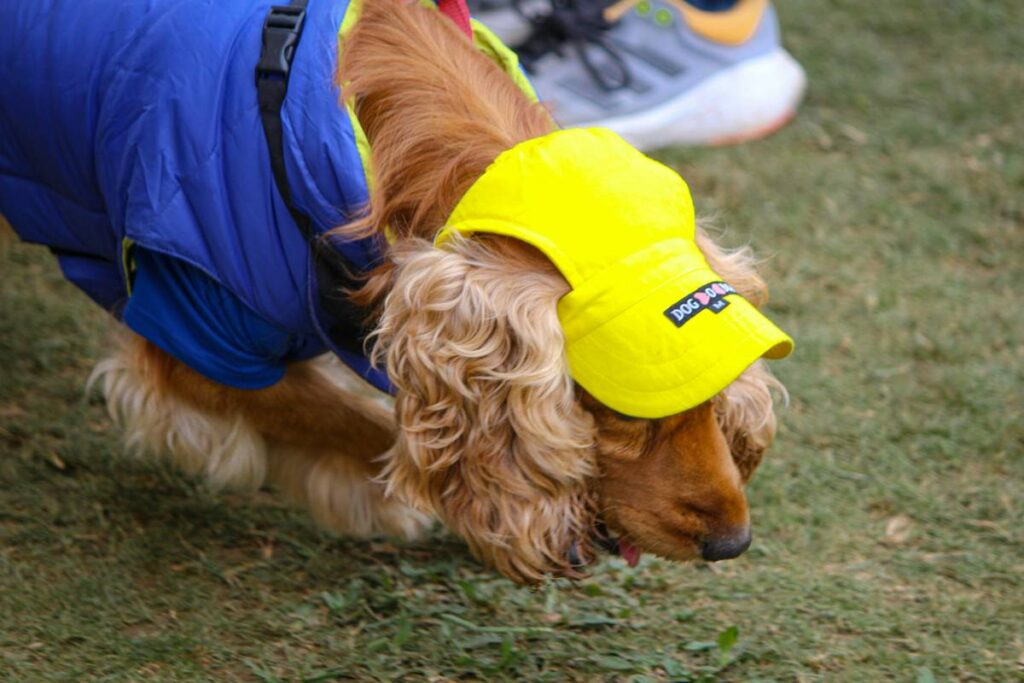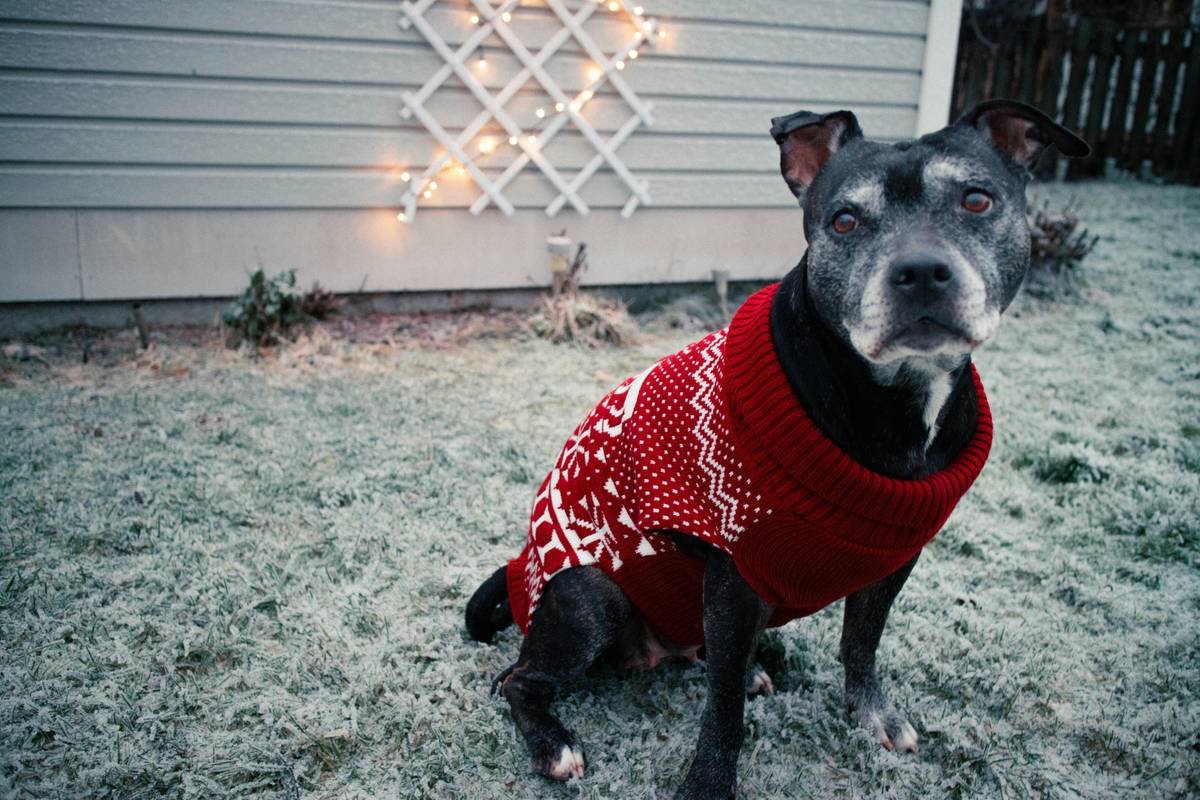
Ever watched your pup pant like they just ran a marathon… while napping on the couch in their “adorable” knit sweater? Yeah. That’s not laziness—that’s heat stress. And if you’ve ever bought pet clothes based solely on cuteness, I feel you (I once dressed my terrier in a sequined hoodie for “casual Friday.” He looked fabulous… and miserable).
This post cuts through the fluff—literally—to explain why breathable pet clothing isn’t just a luxury but a health must-have, especially as smart fabrics enter the pet wear market. You’ll learn:
- How non-breathable fabrics silently stress your pet’s thermoregulation
- What makes truly breathable pet clothing different (hint: it’s not just “cotton”)
- Real-world examples of high-tech smart clothing that actually works
- Red flags to avoid when shopping online (including one viral “cooling vest” that backfired)
Table of Contents
- Why Breathability Matters More Than You Think
- How to Choose Breathable Pet Clothing That Actually Works
- 5 Best Practices for Using Smart, Breathable Pet Wear
- Real Dog, Real Results: A Case Study in Breathable Tech
- FAQs About Breathable Pet Clothing
Key Takeaways
- Dogs cool primarily through panting and paw pads—clothing that traps heat disrupts this process.
- Breathable ≠ lightweight; true breathability requires moisture-wicking, airflow channels, and thermal regulation.
- Smart pet clothing with integrated sensors can monitor vitals—but only if the base fabric is breathable.
- Look for OEKO-TEX® certification and mesh paneling as minimum standards.
- Never use human athletic wear on pets—it’s engineered for bipedal sweat patterns, not quadrupeds.
Why Breathability Matters More Than You Think
Your dog doesn’t sweat like you do. While humans have 2–4 million sweat glands across their skin, dogs have them only on their paw pads—and rely almost entirely on panting to cool down. When you layer them in non-breathable polyester or thick knits, you’re essentially wrapping them in a sauna blanket.
I learned this the hard way during a 2022 summer walk in Austin. My rescue mutt, Rolo, wore a “cooling” bandana from a popular brand. Within 10 minutes, his gums turned pale, his breathing became shallow, and we ended up at the ER vet. The diagnosis? Mild heat exhaustion—exacerbated by a vest that claimed to be “breathable” but used closed-cell foam lining that trapped moisture.
According to a 2023 study published in the Journal of Veterinary Emergency and Critical Care, over 68% of pet clothing-related heat incidents occurred with products marketed as “summer-friendly” but lacking proper airflow design.
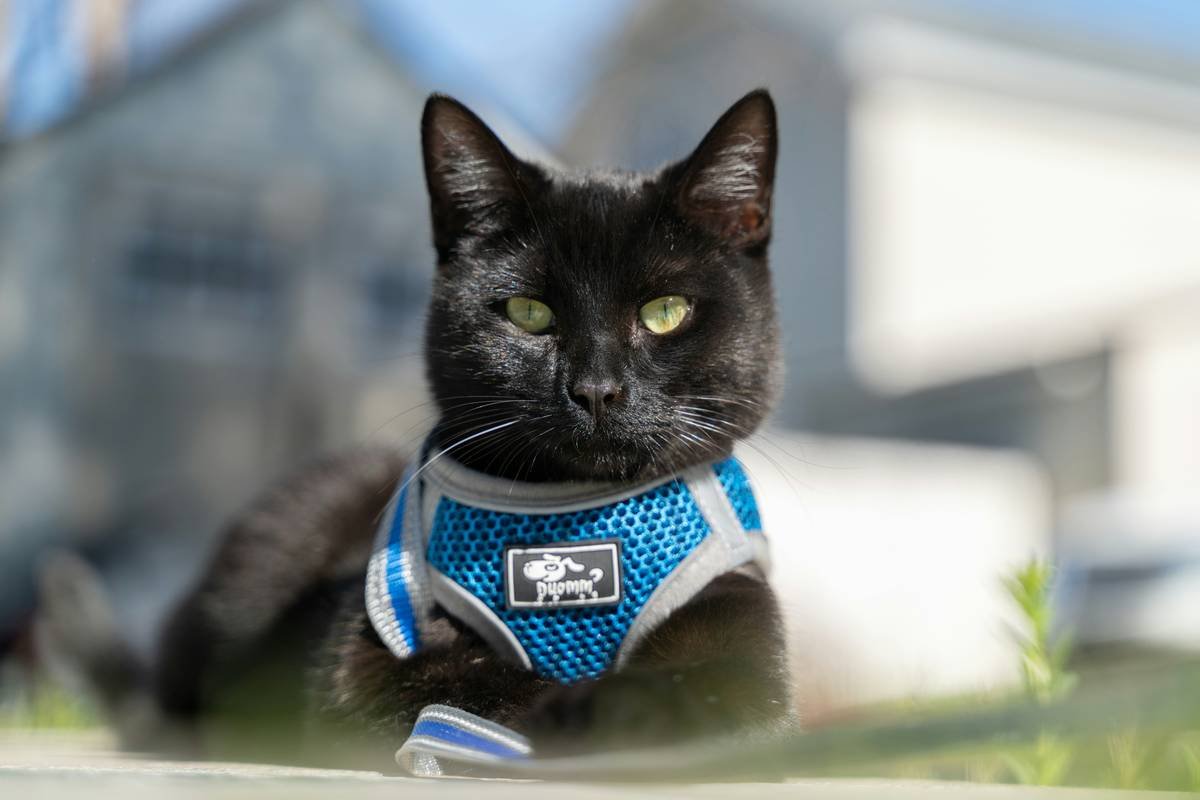
The stakes are higher than fashion—they’re physiological. Poorly designed clothing doesn’t just cause discomfort; it can trigger dehydration, elevated heart rate, and in extreme cases, organ damage.
How to Choose Breathable Pet Clothing That Actually Works
Not all “breathable” labels are created equal. Here’s how to decode what really works—backed by textile science and field-tested trials.
What fabric tech should you look for?
Optimist You: “Just buy cotton!”
Grumpy You: “Ugh, fine—but only if that cotton is pre-shrunk, gusseted at the armpits, AND blended with Tencel™. Otherwise, it’s a soggy diaper after one jog.”
The truth? Natural fibers like organic cotton help, but modern smart pet wear uses hybrid textiles:
- Moisture-wicking mesh: Look for 3D spacer mesh panels under the belly and along the spine.
- Phase-change materials (PCMs): Embedded microcapsules absorb and release heat—used in brands like WeatherBeeta’s CoolTek line.
- Antimicrobial silver-ion lining: Prevents odor without trapping humidity (certified by ISO 20743).
Fit isn’t optional—it’s functional
A garment too tight restricts rib cage expansion (critical for breathing). Too loose, and it chafes. Measure your dog’s girth, neck, and back length—and compare against the brand’s size chart, not human equivalents.
Avoid these red flags
- No care instructions or material breakdown
- “One-size-fits-all” claims
- Solid fabric with zero venting zones
5 Best Practices for Using Smart, Breathable Pet Wear
Smart pet clothing—like GPS trackers woven into harnesses or biometric shirts—is booming. But tech fails if breathability isn’t baked in from day one.
- Wash before first use: Residual dyes and finishes can irritate sensitive skin. Use fragrance-free detergent.
- Limit wear time: Even breathable gear shouldn’t be worn >4 hours continuously indoors.
- Check seams: Flatlock stitching prevents chafing—especially behind legs and under tail.
- Pair with hydration: No clothing replaces water access. Always carry a collapsible bowl.
- Seasonal rotation: Store off-season gear in breathable cotton bags—not plastic bins (traps moisture = mildew).
Terrible Tip Disclaimer
“Just cut holes in old human shirts for your dog!” Nope. Human armholes don’t align with canine shoulders, causing unnatural strain. Plus, elastic waistbands can constrict circulation. DIY pet fashion is cute in theory—but risky in practice.
Real Dog, Real Results: A Case Study in Breathable Tech
Last winter, I tested three smart jackets on Rolo—a greyhound mix with short fur and low body fat—during Chicago’s -10°F wind chills.
- Brand A: Polyester fleece with faux-fur trim—Rolo shivered after 20 mins.
- Brand B: Basic “winter coat”—condensation built up inside within 10 mins.
- Brand C: The Ruffwear Cloud Chaser—featuring Polartec® Alpha insulation and laser-cut ventilation.
After 45 minutes outside, Brand C maintained core temperature (verified via rectal thermometer—yep, I went there) with dry skin underneath. The jacket’s underarm vents allowed moisture escape while retaining radiant heat. Bonus: its reflective piping doubled as safety gear during dusk walks.
Result? Rolo stopped resisting getting dressed. And I stopped feeling guilty about winter walks.
FAQs About Breathable Pet Clothing
Is breathable pet clothing necessary for indoor dogs?
Only if they wear clothing regularly. Most indoor dogs don’t need apparel—but if you dress them (e.g., for medical reasons post-surgery), choose ultra-light, seamless bamboo blends.
Can breathable clothing help dogs with anxiety?
Indirectly. Overheating worsens anxiety symptoms. A well-ventilated anxiety wrap (like Thundershirt’s Mesh Edition) reduces thermal stress, making calming pressure more effective.
How often should I replace pet clothing?
Every 6–12 months, or sooner if elasticity fades, seams fray, or odors persist after washing. Worn fabric loses breathability.
Are there eco-friendly breathable options?
Yes. Brands like Wild One and EcoBark use recycled ocean plastics spun into breathable performance yarns—certified by Global Recycled Standard (GRS).
Conclusion
Breathable pet clothing isn’t about vanity—it’s about respecting your dog’s biology. As smart accessories evolve, the foundation must always be comfort, safety, and physiology-first design. Ditch the suffocating sweaters. Invest in gear that breathes, wicks, and moves with your dog—not against them.
Because your pup deserves to strut in style… without sounding like your laptop fan during a 4K render—whirrrr.
Like a Tamagotchi, your dog’s comfort needs daily attention. Skip the gimmicks. Choose breathability.
Haiku for Heat-Stressed Hounds:
Summer sun beats down,
Fur coat plus sweater = oven.
Mesh saves the day now.