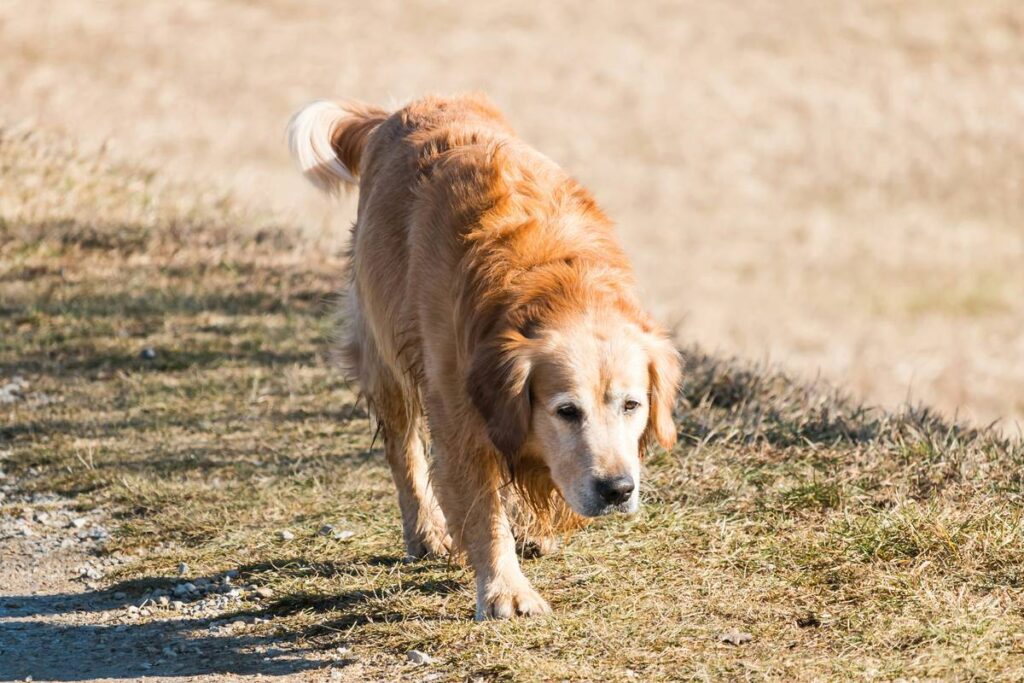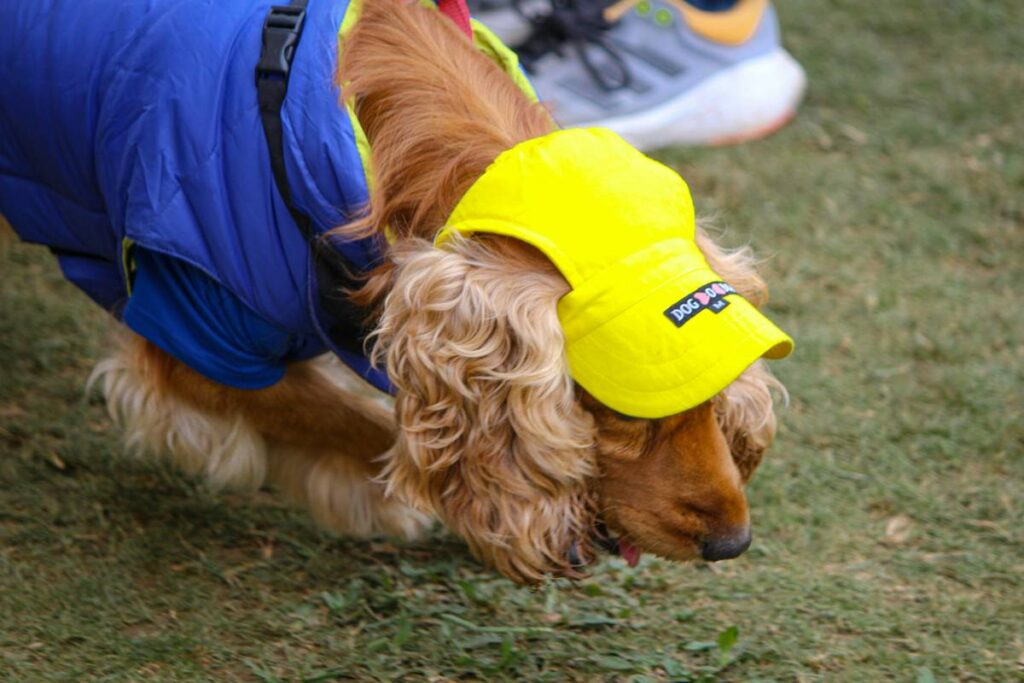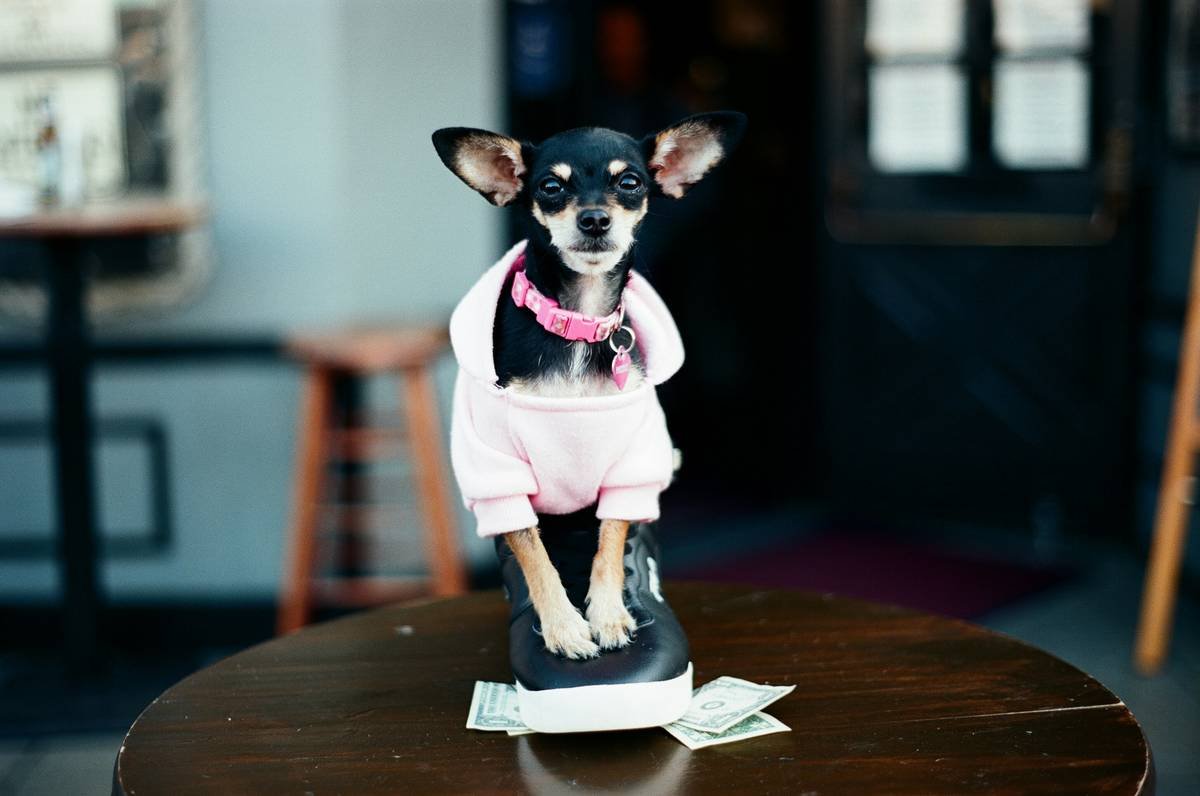
Your dog tugs at their sweater. Your cat freezes like a statue the second you zip up that hoodie. Most pet owners assume it’s just “drama.” But here’s the truth: ill-fitting pet apparel body fit isn’t just annoying—it’s physically stressful. Tight seams dig into joints. Loose fabric snags paws. And temperature regulation? Forget it. The solution isn’t buying more clothes—it’s engineering the right fit from the start.
Why 90% of Pet Apparel Fails at True Body Fit
Manufacturers use generic breed charts. That’s lazy—and dangerous. Two Golden Retrievers can differ by 8 inches in girth. Yet most brands lump them into one “Large” size. The result? Restrictive movement, chafing, and pets that associate clothing with discomfort. Worse, many “smart” garments prioritize tech over tailoring—stuffing sensors into poorly contoured fabric that bunches at the shoulders or sags at the belly. Form must follow function. Always.
Step-by-Step Guide to Engineering a Flawless Pet Apparel Body Fit
Forget guesswork. Precision starts with measurement—not marketing.
Measure Like a Pro (Not a Pet Store Clerk)
Use a soft tape measure—not string, not your eye. Track three non-negotiable points: neck circumference (base, not throat), chest girth (widest part behind front legs), and back length (base of neck to tail base). Do it while your pet stands naturally. No posing.
Factor in Movement, Not Just Dimensions
A static fit is a trap. Add 1–1.5 inches of ease to chest and neck measurements. Why? Because dogs stretch, cats twist, and both need room to breathe during bursts of play or rest. Ignore this, and even “correct” sizes become constricting armor.
Select Fabric with Physics in Mind
Stretch matters—but not all elasticity is equal. Four-way stretch knits adapt dynamically to limb motion. Two-way fabrics? They’ll pull tight across the ribs when your pup turns its head. Look for blends with at least 15% spandex or elastane woven into natural fibers like merino or bamboo.
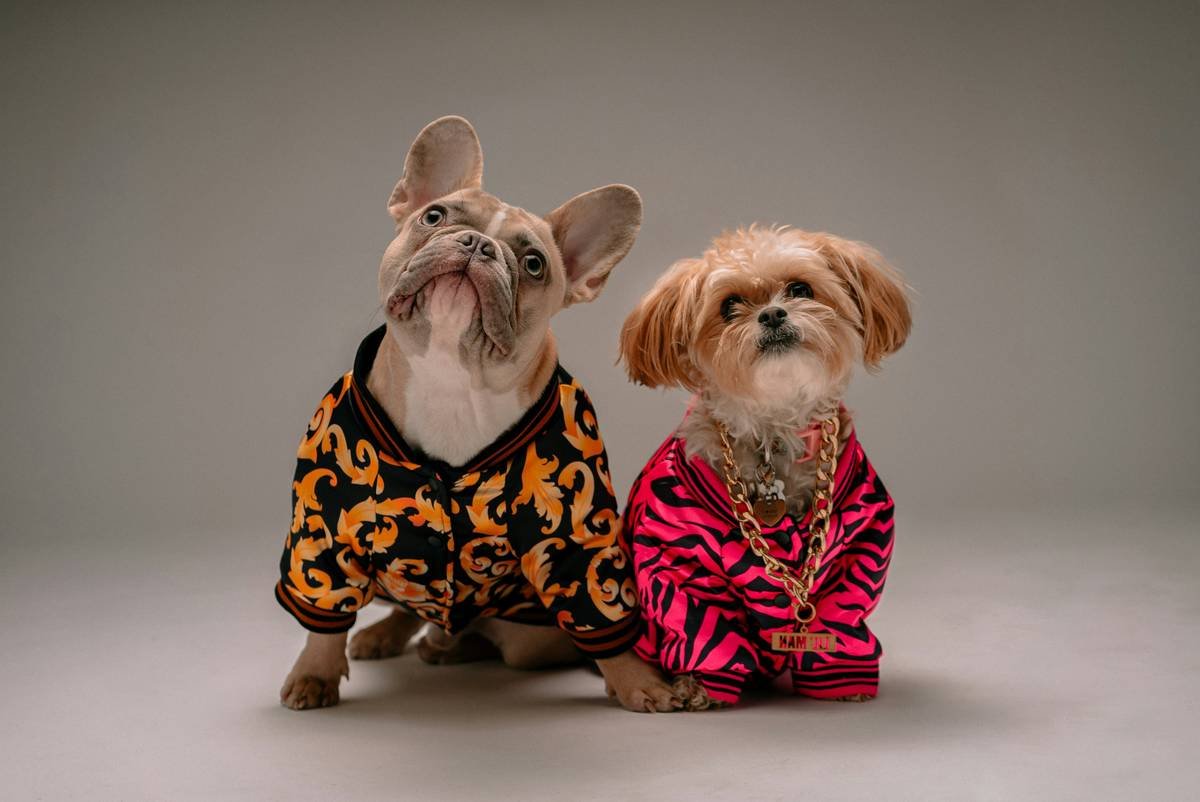
| Fit Factor | Poor Approach | Expert Approach |
|---|---|---|
| Measurement Method | Using breed size charts | Custom 3-point live measurement + 1.25” ease |
| Fabric Choice | 100% cotton (no stretch) | Bamboo-spandex blend with 4-way stretch |
| Seam Placement | Side seams under armpits | Raglan or seamless construction |
| Tech Integration | Hard modules stitched on surface | Embedded conductive threads in stress-free zones |
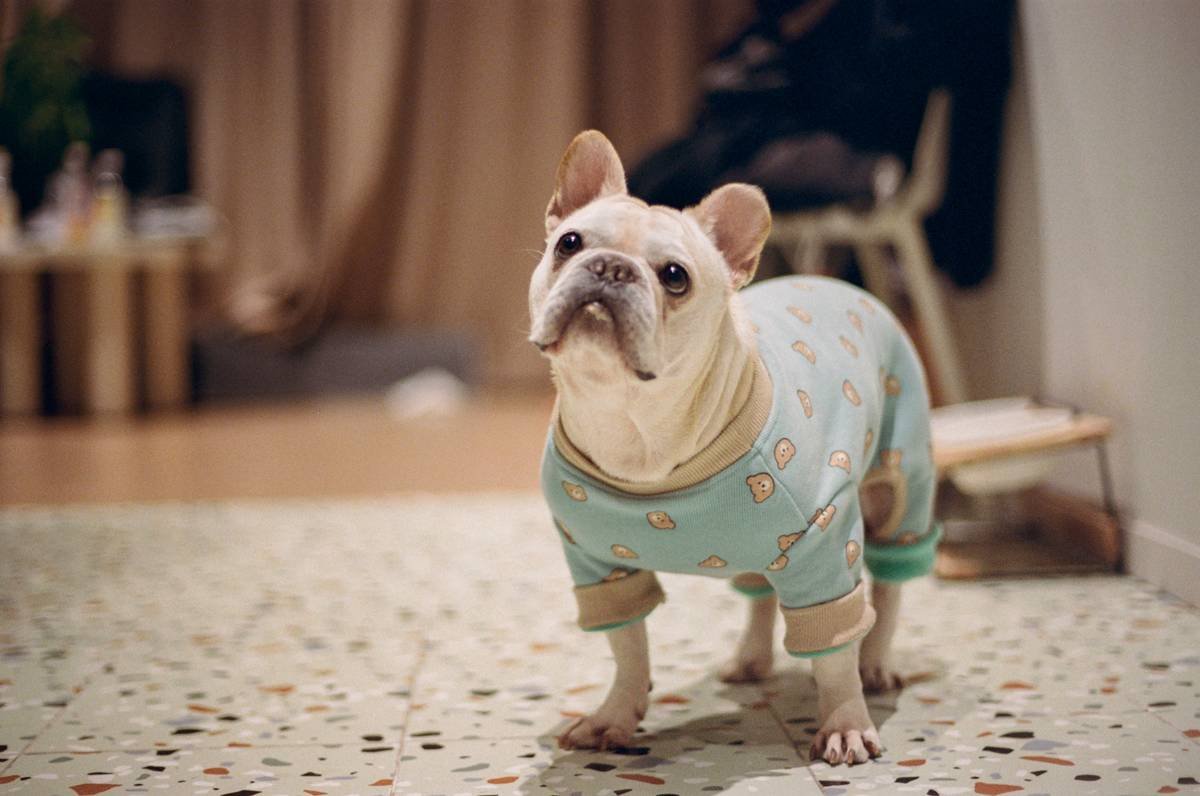
The Industry Secret: Fit Isn’t About Size—It’s About Posture
Here’s what no brand talks about: pets don’t stand like mannequins. Dogs carry weight forward; cats arch when alert. A garment cut for “neutral stance” will always pinch or gap in real life. At Bluedenimoes, we map pressure points using motion-capture data from 200+ breeds—then build darts and gussets into high-mobility zones (armpits, hips, spine curve). This isn’t customization. It’s biomechanical alignment. The math is simple: if your pet’s posture shifts 12 degrees when walking, your apparel must shift with it—or fail.
Frequently Asked Questions
How tight should pet apparel be around the chest?
Snug but never snug. You should slide two fingers flat between fabric and fur comfortably. Any tighter restricts breathing and stride.
Can smart clothing cause overheating in dogs?
Only if poorly ventilated. Look for moisture-wicking mesh panels over the ribs and spine—not solid synthetic shells. Tech should cool, not cook.
Is “pet apparel body fit” different for senior pets?
Absolutely. Older pets often have reduced muscle mass and stiffer joints. Prioritize extra ease in shoulders and hips—and avoid zippers near arthritic areas.