Most pet owners assume “smart” means better. You buy high-tech jackets, GPS-enabled vests, or temperature-regulating shirts—only to find your dog scratching, avoiding walks, or showing stress signals. The truth? Many so-called comfort-fit smart garments prioritize data over biology. Here’s how to cut through the marketing fluff and actually choose wear that respects your pet’s physiology.
The Core Problem: Smart Doesn’t Equal Comfortable
Manufacturers slap “smart” on anything with a sensor or app integration—but forget dogs don’t sweat like humans. Their thermoregulation happens through panting and paw pads. A moisture-wicking fabric designed for human runners? It traps heat against a dog’s dense undercoat.
And sizing? Most brands use chest girth alone. That ignores neck-to-withers ratio, shoulder mobility, and tail base clearance. The result: chafing, restricted gait, even skin lesions after repeated use.
Think about it—would you wear a smartwatch that digs into your wrist every time you move? Exactly.
Pet Wear Comfort Comparison: A Practical Framework
Material Breathability vs. Tech Integration
Natural fibers like merino wool or Tencel™ outperform synthetics in odor control and airflow—but integrating circuitry often requires laminated layers that kill breathability. Look for modular designs where sensors snap on/off without compromising base-layer ventilation.
Fit Dynamics Over Static Measurements
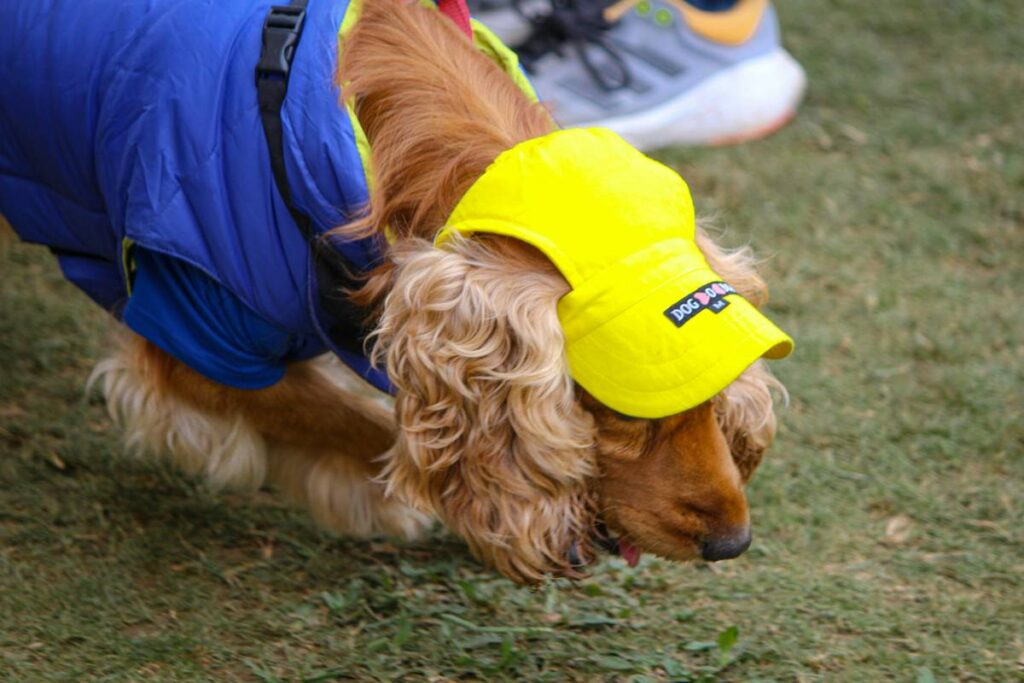
A jacket might fit when your dog stands still. But during movement? Shoulder seams shift, leg holes ride up, and belly straps dig in. Prioritize garments with articulated patterning—like those used in canine athletic wear—not repurposed human templates.
| Feature | Traditional “Smart” Wear | Comfort-First Smart Wear |
|---|---|---|
| Fabric Composition | 85% polyester, 15% elastane (non-breathable) | 60% organic cotton, 30% Tencel™, 10% conductive thread |
| Seam Placement | Flatlock seams across spine | Seamless yoke at shoulders, flat seams only below ribcage |
| Sensor Integration | Embedded—permanent, non-removable | Magnetic snap-on modules (easily detached for washing) |
| Adjustability | One-point chest strap | Three-point system: neck, girth, rear anchor |
| Price Range | $45–$75 | $85–$130 |

Behavioral Cues Trump Marketing Claims
Watch your dog, not the app. If they freeze when you reach for the garment, lick their lips excessively while wearing it, or shake vigorously upon removal—that’s discomfort screaming through body language. No algorithm overrides real-time behavioral feedback.
The Industry Secret: The “Wash Test” No Brand Talks About
Here’s what product developers won’t admit: most smart pet wear degrades drastically after 3–5 washes. Conductive threads crack. Waterproof coatings peel. Elastic loses memory. The garment you bought for “all-season” use becomes stiff, misshapen armor by month two.
But—and this is key—brands know this. They design for initial unboxing appeal, not longevity. Demand third-party durability reports. Or better yet, perform the “fold test”: crumple the fabric aggressively 20 times. If it doesn’t spring back instantly, skip it.
The math is simple: a $120 jacket lasting 18 months beats three $50 jackets failing by week six.
Frequently Asked Questions
How do I know if my dog’s smart clothing fits properly?
You should slide two fingers between any strap and your dog’s body. No pressure points on elbows, armpits, or tail base. And crucially—they move freely without fabric riding up.
Can smart pet wear cause skin irritation?
Absolutely. Non-breathable materials trap moisture against the skin. Combined with friction from ill-placed seams, this leads to hot spots or dermatitis—especially in double-coated breeds.
Is higher price always better for comfort?
Not always—but extremely cheap smart wear (<$40) usually cuts corners on seam engineering and material safety. Mid-tier ($80–$110) often offers the best balance of tech and tactile comfort.