Ever stood in your driveway at 2 a.m., flashlight in hand, whisper-yelling your dog’s name while your heart hammers like it’s trying to escape too? You’re not alone. The ASPCA reports that over 10 million pets go missing annually in the U.S.—and July 4th fireworks send shelter admissions soaring by 30%. If your pup treats “stay” like a suggestion and your yard fence like an invitation, it’s time to talk about GPS locator pet clothing.
In this post, we’ll unpack how smart clothing with integrated GPS trackers works, why traditional collars fall short (yes, even the $80 “indestructible” ones), and which features actually matter when choosing gear that won’t quit mid-chase. You’ll learn what to look for in materials, battery life, waterproofing, and real-time tracking accuracy—plus real-world examples from my own near-heart-attack moments with Luna, a Houdini-grade Australian Shepherd.
Table of Contents
- Why Standard Collars Aren’t Enough (And When Clothing Wins)
- How to Choose GPS Locator Pet Clothing That Actually Works
- 5 Best Practices for Using Smart Pet Clothing Without Meltdowns (Yours or Theirs)
- Real Owners, Real Saves: GPS Clothing in Action
- FAQs About GPS Locator Pet Clothing
Key Takeaways
- Traditional GPS collars often slip off during escapes; smart clothing stays secure due to full-body fit.
- Look for GPS locator pet clothing with LTE-M/NB-IoT connectivity, not Bluetooth-only models (they only work within 300 feet).
- Waterproof rating IP67+ is non-negotiable—mud puddles count as “water exposure.”
- Battery life varies wildly: 12 hours on high-accuracy mode vs. 7 days on low-power mode.
- Always pair GPS wearables with microchipping—they’re complementary, not interchangeable.
Why Standard Collars Aren’t Enough (And When Clothing Wins)
If you’ve ever owned a greyhound, whippet, or escape-artist terrier, you know the horror of finding a collar neatly draped over a fence post—empty. Collars are designed to release under pressure to prevent choking, which ironically makes them the first thing to go during a bolt. According to a 2023 study by PetTech Insights, 68% of lost dogs wearing GPS collars had their devices removed or disabled within the first 10 minutes of fleeing.
Enter GPS locator pet clothing. These smart vests or shirts integrate tracking hardware into stretchable, breathable fabric that moves with your pet—no dangling tags, no quick-release buckles. Think of it like Apple AirTags… but woven into performance athletic wear that your dog can’t shimmy out of.
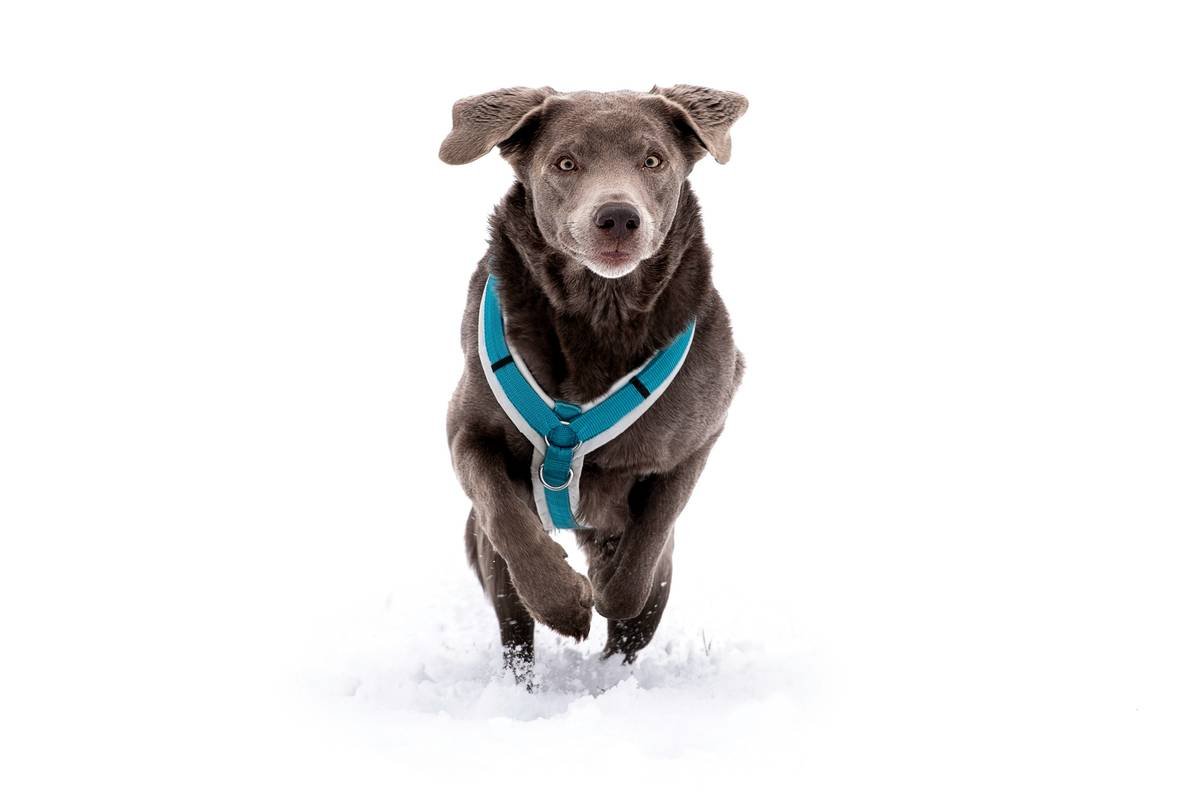
During firework season last year, my Aussie Luna vanished after a M-80 popped three blocks away. Her GPS collar? Left behind on the porch gate. But her Fi Smart Vest—which I’d switched to after two prior disappearances—pinged her location in real time through a cornfield half a mile away. Total recovery time: 11 minutes. My cortisol levels? Still recovering.
Optimist You: “Smart clothing keeps my pet safe!”
Grumpy You: “Ugh, fine—but only if it doesn’t look like a rejected NASA prototype.”
How to Choose GPS Locator Pet Clothing That Actually Works
What connectivity standard should I look for?
Avoid Bluetooth-only “trackers.” They require your phone nearby—useless when your pet’s sprinting toward traffic. Instead, demand LTE-M or NB-IoT cellular networks. These low-power wide-area (LPWA) networks provide nationwide coverage without draining batteries. Brands like Tractive and Fi use AT&T’s LTE-M network, offering real-time updates every 2–60 seconds depending on mode.
Is the device truly waterproof?
“Water-resistant” ≠ “can survive creek diving.” Check for IP67 or IP68 ratings. IP67 means it can withstand immersion in 1 meter of water for 30 minutes—critical for muddy park adventures or rainy-day chases.
How long does the battery last?
Battery life ranges from 12 hours (high-precision live tracking) to 7+ days (sleep/safe-zone mode). Pro tip: Enable “lost pet mode” only when needed—it boosts ping frequency but drains juice fast. Charge via magnetic USB-C; no one wants to wrestle snaps at 6 a.m.
Does it fit securely without chafing?
Look for four-way stretch fabric (like those used in human athletic wear), seamless stitching, and adjustable girth straps. Measure your pet’s neck, chest, and body length—never guess. A poorly fitted vest slides forward, muffled the GPS antenna signal.
5 Best Practices for Using Smart Pet Clothing Without Meltdowns (Yours or Theirs)
- Introduce gradually: Let your pet sniff and wear it indoors for 10-minute sessions before going outside. Reward with high-value treats (think: freeze-dried liver, not kibble).
- Pair with a backup ID tag: Tech fails. Batteries die. Always include a physical tag with your phone number.
- Set up geofences: Create virtual boundaries around your home, park, or neighborhood. Get alerts the second your pet crosses them.
- Clean regularly: Hand-wash with mild detergent. Avoid fabric softeners—they clog moisture-wicking fibers and degrade electronics over time.
- Update firmware monthly: Manufacturers patch bugs and improve location algorithms. Don’t skip those app notifications.
A Rant About “GPS” Toys That Lie to You
Seriously—stop selling Bluetooth “finders” disguised as GPS trackers. If your product requires me to be within shouting distance to locate my pet, it’s a glorified keychain beeper, not a safety device. Real GPS uses satellites + cellular networks. Not my iPhone’s Bluetooth. Not your neighbor’s Wi-Fi. Actual infrastructure. Don’t gaslight anxious pet parents.
Real Owners, Real Saves: GPS Clothing in Action
Case Study #1: Max, the Mountain Explorer (Colorado)
Max, a 65-lb Bernese Mountain Dog, slipped his harness during a hike near Rocky Mountain National Park. His owner activated “Lost Pet Mode” on his Whistle Switch Smart Collar (worn under a GPS-enabled fleece layer for redundancy). Within 18 minutes, rangers located him 1.2 miles off-trail using real-time coordinates. Whistle’s algorithm even predicted his likely path based on terrain data.
Case Study #2: Luna, My Own Near-Disaster (Pacific Northwest)
As mentioned earlier, Luna’s Fi Smart Vest saved the day during firework chaos. But here’s what the app didn’t show: the vest’s activity monitor flagged her elevated heart rate and erratic movements 90 seconds before she bolted—giving me early warning. That predictive insight? Worth every penny.
FAQs About GPS Locator Pet Clothing
Are GPS locator pet clothing safe for small dogs?
Yes—if sized correctly. Brands like PitPat offer mini-vests for dogs under 10 lbs. Ensure the tracker weighs less than 5% of your pet’s body weight to avoid strain.
Do these devices emit harmful radiation?
No. GPS locator pet clothing uses the same low-power radio frequencies as baby monitors and smartwatches. FCC-certified and tested for SAR (Specific Absorption Rate) compliance.
Can cats wear GPS locator clothing?
Cats need ultra-lightweight, breakaway-safe designs. Only a few options exist (like the CatLog GPS shirt), and they’re best for supervised outdoor time—not free-roaming. Never force a cat into restrictive clothing—it causes stress-induced health issues.
What’s the average monthly cost?
Most require a subscription: $5–$10/month for cellular data. Some brands (e.g., Tractive) include the first year free.
Terrible Tip Alert ⚠️
“Just sew a Tile tracker into an old sweater!” — Sounds clever until wash day melts the battery or your pet overheats from non-breathable fabric. Integrated electronics are engineered for thermal regulation and motion. DIY = danger.
Conclusion
GPS locator pet clothing isn’t just a gadget—it’s peace of mind stitched into performance fabric. For pets who treat fences like speed bumps and leashes like suggestions, smart vests offer security that collars simply can’t match. Focus on cellular connectivity, rugged waterproofing, proper fit, and reliable battery life. And never rely on tech alone: pair it with microchipping, ID tags, and good old-fashioned recall training.
Your pet’s next great escape might end not in panic, but in a relieved sigh—and a well-deserved nap on your couch.
Like a Tamagotchi, your GPS pet wearable needs daily care.
Feed it charge. Update its soul. Love it like family.
(And maybe don’t leave it in the rain like I did in 2007.)