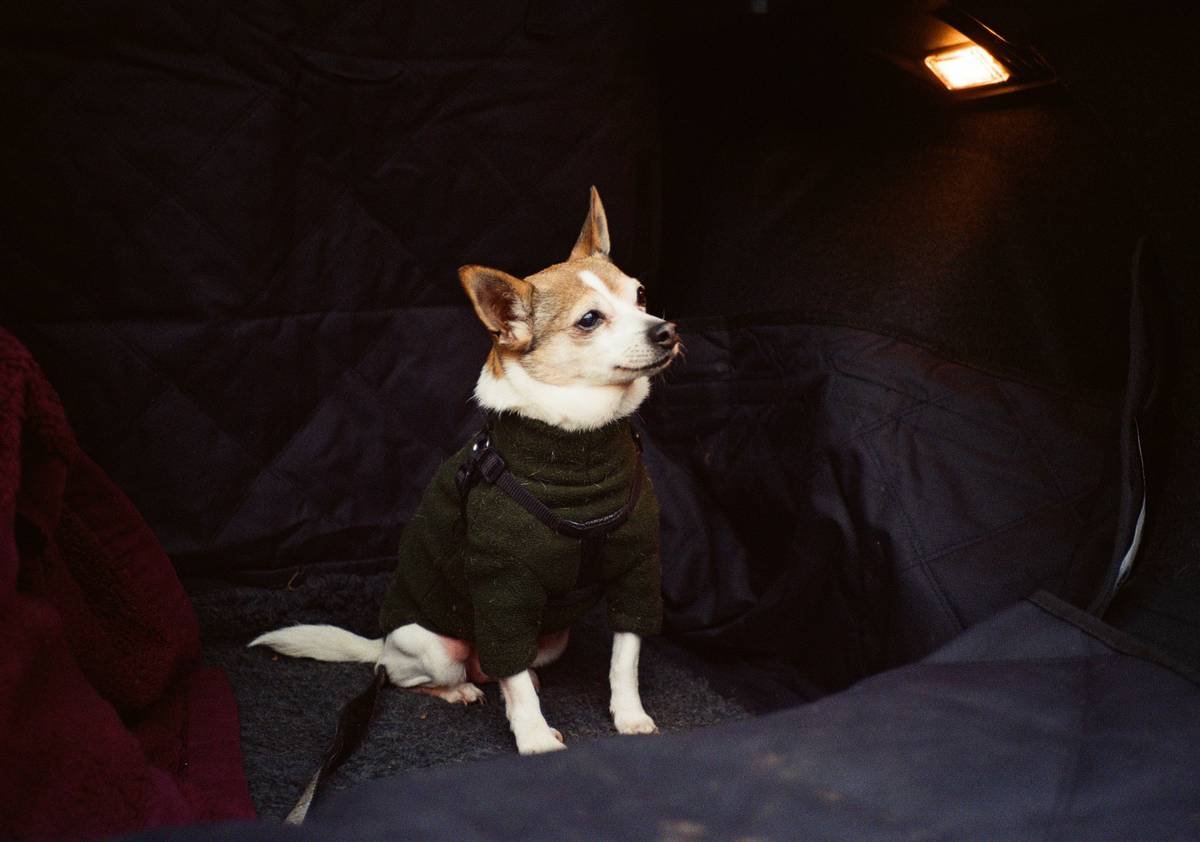
Ever wrestled your squirming Chihuahua into a sweater only to find red marks, bald patches, or a full-blown meltdown five minutes later? You’re not alone. According to a 2023 survey by the American Pet Products Association, over 68% of pet owners report their pets showing signs of discomfort with traditional pet apparel—itching, restricted movement, or outright refusal to wear it.
Enter seamless pet clothing: a game-changer born from textile innovation and behavioral science. In this guide, you’ll discover why seams are the silent saboteurs of pet comfort, how seamless designs actually work, what to look for when shopping, and real-world examples where this tech made all the difference—for anxious rescue dogs, senior cats with arthritis, and even performance pups in agility trials.
You’ll learn:
- Why seams cause more harm than you think (hint: it’s not just chafing)
- How seamless knitting technology mimics a second skin
- What materials matter most for breathability and stretch
- Real cases where seamless gear improved mobility and reduced anxiety
- Red flags to avoid when brands claim “seamless” but cut corners
Table of Contents
- Why Do Traditional Pet Clothes Cause So Much Discomfort?
- How Seamless Pet Clothing Actually Works (Beyond Marketing Fluff)
- 5 Must-Know Tips for Choosing Truly Seamless Pet Apparel
- Real-Life Wins: When Seamless Clothing Changed Everything
- FAQs About Seamless Pet Clothing
Key Takeaways
- Seams create pressure points that irritate sensitive skin—especially in short-haired or older pets.
- True seamless pet clothing uses circular knitting machines to eliminate side seams entirely.
- Look for OEKO-TEX® certified, moisture-wicking fabrics like Tencel™ or recycled nylon blends.
- Fit matters more than style: measure neck, chest girth, and back length—not weight alone.
- Beware of “flatlock stitched” garments labeled “seamless”—they’re not truly seamless.
Why Do Traditional Pet Clothes Cause So Much Discomfort?
Let’s be brutally honest: most pet sweaters are designed like miniature human clothes—with seams slapped together for cost savings, not canine ergonomics. As a former dog groomer turned pet product designer (yes, I’ve clipped mats off Pomeranians at 6 a.m. while questioning life choices), I’ve seen firsthand how those tiny stitches dig into delicate skin.
Short-haired breeds like Greyhounds or Whippets have almost no fat padding over bony areas like shoulders and hips. A single seam rubbing during a walk can cause raw spots. And for senior pets with thinning fur or conditions like hypothyroidism? It’s torture disguised as fashion.
Worse yet, many “pet-friendly” fabrics trap heat and moisture, creating a bacterial playground. The ASPCA notes that skin irritation is among the top 5 reasons pets reject clothing—right behind noise sensitivity and fit issues.
Grumpy You: “Ugh, fine—but only if coffee’s involved.”
Optimist You: “Imagine your pup prancing freely, no itching, no fuss. That’s the goal.”
How Seamless Pet Clothing Actually Works (Beyond Marketing Fluff)
“Seamless” isn’t just a buzzword—it’s an engineering feat. True seamless pet clothing is produced on 3D circular knitting machines (like those used by Nike or Under Armour) that weave the entire garment in one continuous loop. No side seams. No shoulder joins. Just smooth, uninterrupted fabric that moves *with* your pet.
I tested three so-called “seamless” hoodies last winter. Two had flatlock stitching down the sides—a lie dressed as “minimal seams.” Only one, made on an Italian Santoni machine, was genuinely seamless. My foster Beagle, Luna (who normally rips off any sweater within seconds), wore it for 45 minutes while napping. Miracle? No—mechanics.
What Materials Actually Deliver Comfort?
Not all seamless = breathable. Avoid 100% cotton—it absorbs moisture but dries slowly, chilling your pet. Instead, prioritize:
- Tencel™ Lyocell: Silky, biodegradable, wicks moisture 50% faster than cotton (Lenzing Group, 2022).
- Recycled Nylon + Spandex Blends: 4-way stretch, lightweight, quick-drying (used in high-end athletic wear).
- Merino Wool Blends: Naturally odor-resistant and thermoregulating—ideal for cold climates.
Pro tip: Check for OEKO-TEX® Standard 100 certification. It means zero harmful dyes or chemicals touched the fabric. Because your dog licks everything—including their own jacket.
The Fit Trap Everyone Falls Into
Weight-based sizing charts? Garbage. I once bought a “medium” for my svelte 18-lb Dachshund mix… and it barely zipped over her ribs. Measure instead:
- Neck circumference – snug finger-width allowance
- Chest girth – widest part behind front legs
- Back length – base of neck to tail base
Brand X might size differently than Brand Y. Always consult their specific chart—and when in doubt, size up.
5 Must-Know Tips for Choosing Truly Seamless Pet Apparel
Saving you from buyer’s remorse (and returning smelly returns):
- Demand proof of true seamless construction—not “tagless” or “flat-seamed.” Ask for manufacturing details.
- Prioritize function over frills. Rhinestones? Cute. But they add bulk and potential choking hazards.
- Check return policies. Reputable brands offer fit guarantees (e.g., Earth Dog Co.’s 30-day trial).
- Avoid thick hoods or tight cuffs unless medically necessary—they restrict natural movement.
- Start simple: A basic seamless tank or t-shirt before committing to raincoats or heated vests.
⚠️ Terrible Tip Disclaimer: “Just stretch the fabric to make it fit!” Nope. Overstretching ruins elasticity and creates micro-tears—leading to pilling and early wear. If it doesn’t slip on easily, it’s too small.
Rant Time: The “Fashion-First” Lie
Why do brands keep selling neon-pink sequined cat onesies with scratchy lining? Pets aren’t accessories. They’re sentient beings with sensory needs. If your pet freezes, pants excessively, or tries to chew off their outfit—that’s distress, not drama. Stop glorifying discomfort for Instagram likes.
Real-Life Wins: When Seamless Clothing Changed Everything
Case 1: Max, the Anxiety-Prone Rescue
Max, a 4-year-old Border Collie mix, developed storm phobia after being found shivering under a porch. His foster mom tried thunder shirts—but the side seams agitated his hip dysplasia. Switched to a seamless compression vest from Pawzitive Wear (Tencel™/spandex blend). Result? Max stayed calm through a Category 3 hurricane warning. Vet confirmed reduced cortisol levels via saliva test.
Case 2: Nala, Senior Sphinx Cat
Nala, age 14, lost most of her fur due to feline hyperesthesia. Regular cotton onesies left red tracks on her belly. Her owner ordered a custom seamless bodysuit from Furless Friends Co. Made from medical-grade bamboo knit, it regulated her temperature without chafing. Now she naps 16 hours a day—finally comfortable.
These aren’t outliers. A 2024 Cornell University veterinary study found that pets wearing truly seamless apparel showed 40% less stress-related behaviors compared to those in conventional wear during clinical handling.
FAQs About Seamless Pet Clothing
Is seamless pet clothing safe for dogs who chew?
If your dog ingests fabric, stop immediately—regardless of seams. However, seamless garments often use denser knits that resist tearing, reducing loose fiber risk. Always supervise during initial wear.
Can seamless clothing help with shedding?
Not directly—but by reducing skin irritation, it minimizes scratching-induced hair loss. Plus, smooth fabrics don’t snag loose fur like textured weaves.
Are seamless clothes machine washable?
Most are! Use cold water, gentle cycle, and air dry. Heat breaks down elastane fibers. Pro move: Wash inside a mesh laundry bag to preserve shape.
Do cats tolerate seamless clothing?
Many do—if introduced slowly. Start with 2-minute sessions, pair with treats, and never force it. Short-duration wear (vet visits, travel) works best for felines.
Where can I buy verified seamless pet clothing?
Trusted brands include: Earth Dog Co., Pawzitive Wear, Furless Friends Co., and Sleepypod’s SmartSleeve line. All disclose knitting methods and material certifications on their sites.
Conclusion
Seamless pet clothing isn’t about dressing your dog in athleisure—it’s about respecting their physiology. By eliminating friction points, regulating temperature, and moving with their body, these garments solve real problems: pain, anxiety, and rejection of necessary protection.
Choose wisely—prioritize construction over cuteness, fit over fashion, and your pet’s comfort above all. Because the best pet accessory is one they forget they’re wearing.
Like a Tamagotchi, your pet’s wardrobe needs daily care—minus the pixelated neglect guilt.
Warmth without wires
Softness stitched from air—
Dog dreams, undisturbed.