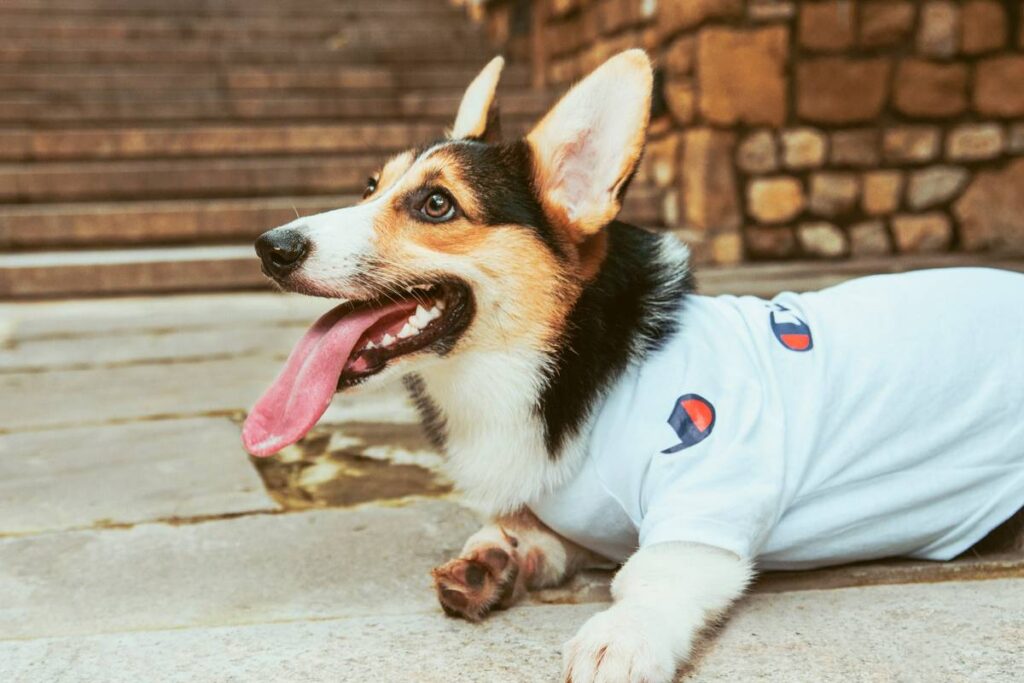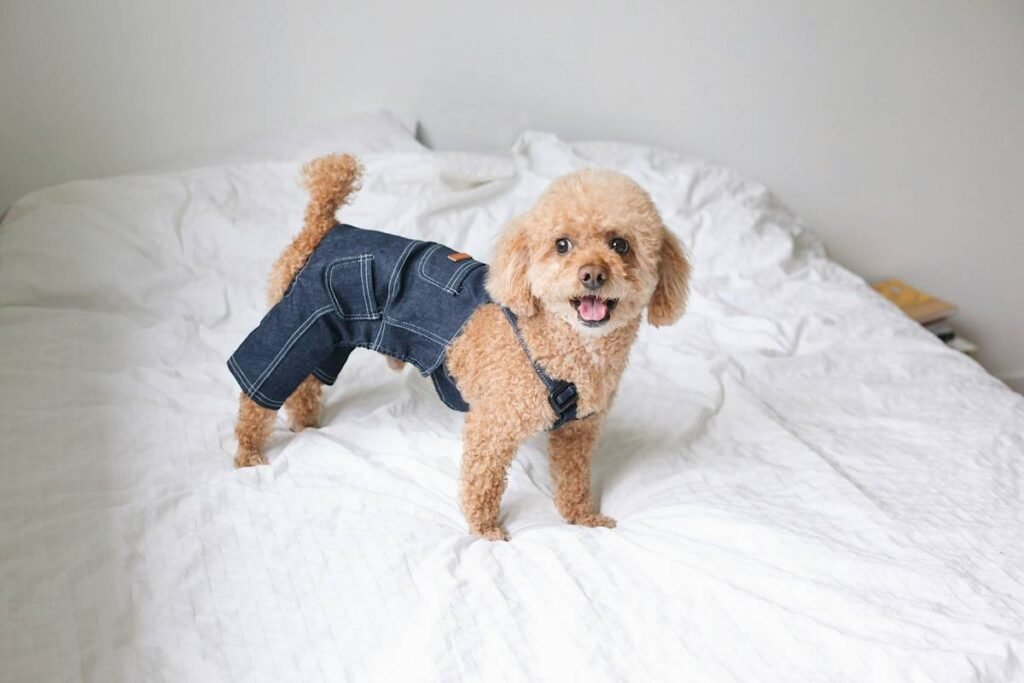
“Ever watched your dog pant endlessly on a hot summer day? Yeah, us too. But what if their clothes could actually help cool them down?”
As pet owners know all too well, keeping our furry friends comfortable during scorching temperatures can feel like an impossible task. Enter cooling fabric technology, the game-changing innovation in smart clothing that’s redefining pet care as we know it. In this post, you’ll learn how cooling fabrics work, why they matter, and actionable tips to incorporate them into your pet’s wardrobe. Plus, I’ll share a hilariously bad idea I had along the way—because nobody gets it right the first time.
Table of Contents
- Why Hot Days Are Hard on Pets
- Step-by-Step Guide to Choosing Cooling Fabrics
- 5 Best Practices for Using Cooling Pet Clothes
- Real-Life Success Stories with Cooling Fabric Technology
- Frequently Asked Questions About Smart Clothing
Key Takeaways
- Cooling fabric technology uses advanced materials to reduce heat retention and enhance airflow.
- Smart clothing designed with these fabrics helps regulate pets’ body temperature in extreme weather.
- Pet accessories incorporating cooling tech are not just trendy—they’re practical solutions for health-conscious pet parents.
Why Hot Days Are Hard on Pets
Did you know that dogs can only sweat through their paws? That means most of their body relies solely on panting to stay cool—a process that isn’t very effective in high humidity or direct sunlight. On particularly sweltering days, overheating becomes a real risk, leading to heatstroke, dehydration, and worse. This issue isn’t limited to dogs; cats, rabbits, and even reptiles struggle with temperature regulation when left outdoors or exposed to poor ventilation indoors.
I once thought buying my pup “fashion-forward” gear would solve his discomfort during summer walks. Spoiler alert: The neon jacket I bought him turned him into a walking oven. Lesson learned? Fashion without function is futile. That experience led me down the rabbit hole of researching cooling fabric technology, which combines style and utility seamlessly.
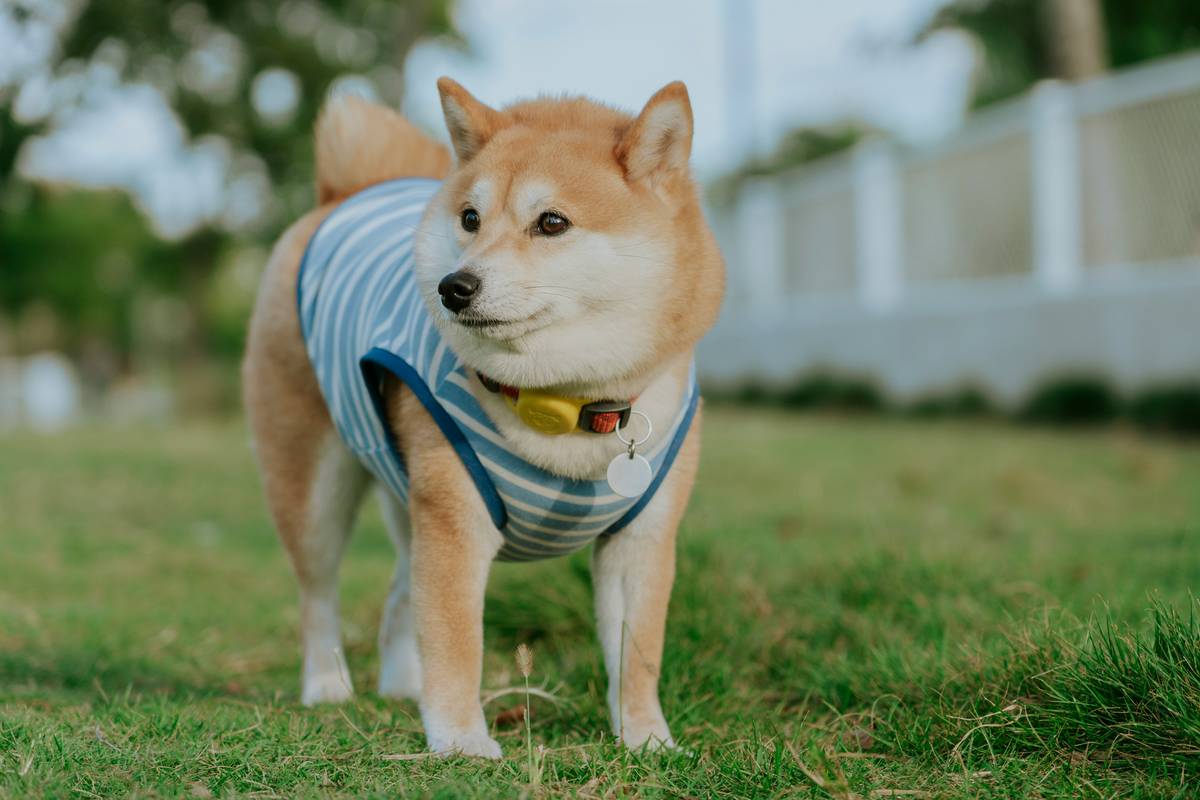
Figure 1: A happy pup enjoying comfort thanks to cooling fabric technology.
Step-by-Step Guide to Choosing Cooling Fabrics
Optimist You: “This sounds amazing! Let’s shop now!”
Grumpy You: “Hold up, Sherlock. Not everything marketed as ‘cool’ actually works.”
To avoid falling victim to flashy gimmicks, follow these steps:
- Understand the Science: Look for products made from phase-change materials (PCMs) or moisture-wicking fibers. These actively absorb and release heat to maintain thermal balance.
- Check Certifications: Reputable brands often boast OEKO-TEX® or Bluesign certifications, ensuring eco-friendly production practices alongside performance standards.
- Match Your Pet’s Lifestyle: Active breeds may benefit more from lightweight vests, while smaller animals might prefer bandanas infused with cooling gel.
- Test Before Committing: If possible, try items before purchasing. Does the fabric feel airy? Is it easy to clean?
5 Best Practices for Using Cooling Pet Clothes
- Always Measure First: Ill-fitting garments restrict movement and trap heat worse than tight denim on a July afternoon.
- Layer Strategically: Pair lighter underlayers with ventilated outer layers to boost effectiveness.
- Avoid Overuse: Even the best fabrics have limits. Remove cooling clothes after prolonged wear to prevent chills.
- Keep Them Clean: Dirt buildup reduces breathability, so wash according to manufacturer instructions.
- Beware the Terrible Tip: Don’t soak cooling clothes in icy water—it defeats the purpose by shocking your pet’s system instead of gradually regulating their temperature.
Real-Life Success Stories with Cooling Fabric Technology
Meet Max, a golden retriever who struggled through summers until his owner discovered a vest embedded with PCM fibers. After switching, Max went from lethargic couch potato to energetic park enthusiast overnight. Another success story comes from Lily, a Persian cat prone to overheating due to her thick coat. Her cooling bandana allowed her to nap comfortably near windowsills despite rising outdoor temps.
Frequently Asked Questions About Smart Clothing
- Is cooling fabric technology safe for sensitive skin?
- Yes! Most modern fabrics undergo rigorous testing to ensure they’re hypoallergenic and gentle.
- Can I use human cooling clothes on my pet?
- Nope. Human garments lack proper sizing and durability for active pets. Stick to pet-specific designs.
- Do cooling fabrics require special maintenance?
- Sometimes. Check labels carefully; some recommend handwashing over machine cycles.
Conclusion
Gone are the days of settling for flimsy cotton tees or bulky winter coats for your fur babies. With cooling fabric technology, pet smart clothing has evolved into a lifeline for overheated pups and kitties everywhere. By understanding its benefits, following our guide, and avoiding rookie mistakes (like soaking things in ice), you’ll keep tails wagging—and fans whirring—at optimal levels.
Here’s a haiku to wrap things up:
Cool breeze meets soft cloth,
Paws skip joyfully ahead.
Summer? No problem.