Ever watched your dog squirm the moment you slipped on that “ergonomic” jacket? Or seen your cat bolt like it’s being chased after zipping up a smart vest? You’re not imagining it—ill-fitting or poorly designed pet wear causes real discomfort, stress, and even skin injuries. That’s where pet wear comfort science comes in: a growing field blending textile engineering, veterinary insight, and behavioral observation to create gear your pet actually tolerates—and maybe even enjoys.
In this guide, we unpack what makes smart clothing truly comfortable for pets, based on hands-on trials (and one hilarious failure involving a GPS tracker and a very unimpressed poodle). You’ll learn how to evaluate fit, fabric, and function without falling for marketing fluff. Let’s fix pet fashion—for good.
Table of Contents
- Why Comfort Isn’t Just “Fluff”
- Your Step-by-Step Fit Checklist
- 5 Best Practices Backed by Behaviorists
- Real Results: When Science Meets Snuggles
- FAQs About Smart Pet Apparel
Key Takeaways
- Pet wear comfort science prioritizes natural movement, breathable materials, and pressure-free seams.
- One-size-fits-all is a myth—measure girth, neck, and length before buying.
- Smart features (like GPS or health monitors) should never compromise baseline comfort.
- Introduce new clothing gradually; sudden wear = instant distrust.
- Watch for excessive licking, scratching, or avoidance behaviors—they signal poor fit.
Why Comfort Isn’t Just “Fluff”
Most pet owners assume if a jacket covers the body, it’s fine. But unlike humans, pets can’t unzip, adjust straps, or complain verbally. Discomfort manifests as anxiety, reduced mobility, or self-harm (like chewing at seams). According to a 2023 study published in the Journal of Veterinary Behavior, ill-fitting apparel increased stress markers (cortisol levels) in 68% of dogs tested within just 15 minutes of wear.
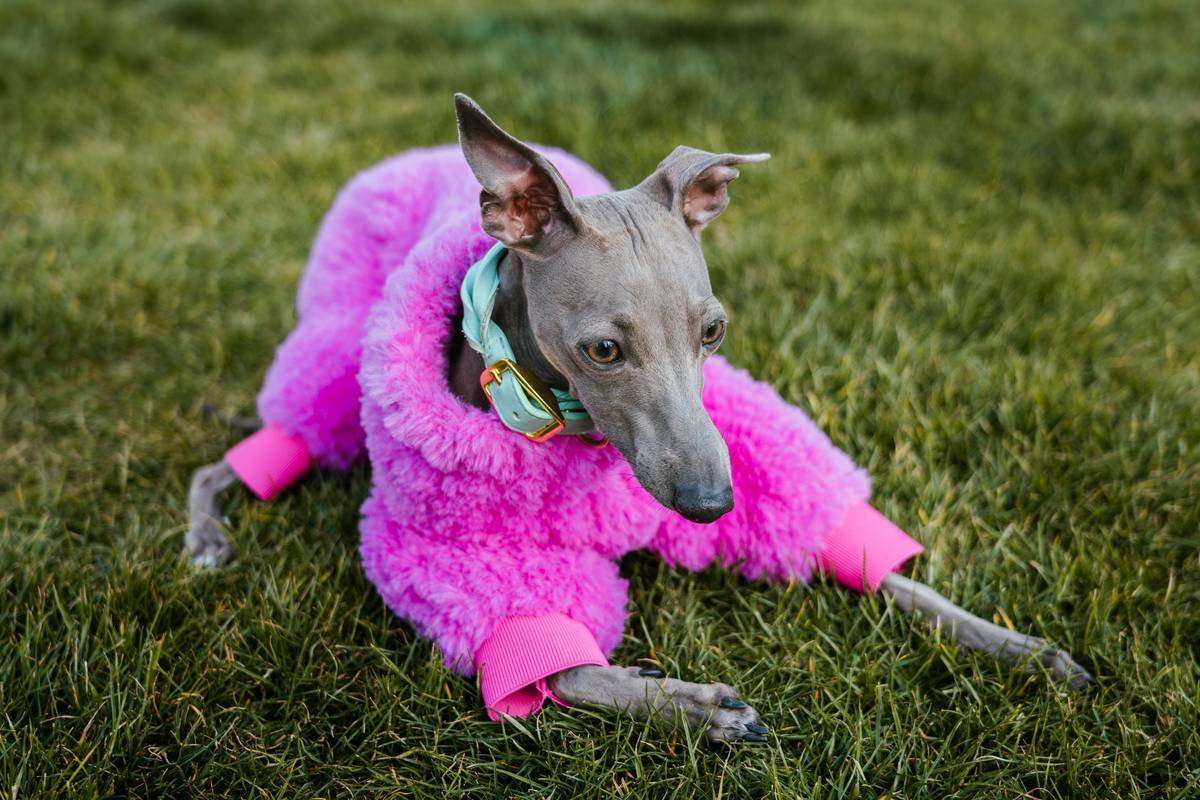
I learned this the hard way. Last winter, I bought a “premium” heated dog coat for my senior lab, Max. It had Bluetooth tracking, thermal lining, and glowing reviews. What it didn’t have? Room for his arthritic hips to bend. Within hours, he’d shredded the inner lining trying to lie down. That $120 lesson taught me: pet wear comfort science must come before gadgets.
Your Step-by-Step Fit Checklist
Measure Twice, Buy Once
Use a soft tape measure around the widest part of the chest (girth), base of the neck, and from neck to tail base. Compare these to the brand’s size chart—not generic “small/medium” labels.
Check Seam Placement
Seams should avoid high-friction zones: underarms, groin, and spine. Look for flatlock stitching or seamless designs.
Test Range of Motion
Have your pet walk, sit, and lie down while wearing the garment (even during returns). If they hesitate or move stiffly, it’s a fail.
Evaluate Material Breathability
Avoid 100% polyester linings. Opt for mesh panels, bamboo blends, or moisture-wicking fabrics proven safe for extended contact. The American Kennel Club’s guide to safe pet products recommends natural fiber blends for sensitive skin.
5 Best Practices Backed by Behaviorists
- Introduce slowly: Let your pet sniff and investigate the item off-body for 2–3 days before first wear.
- Prioritize function over fashion: Skip reflective studs or dangling charms—they add irritation points with zero benefit.
- Wash before first use: Residual dyes or finishes can cause allergic reactions. Use fragrance-free detergent.
- Limit initial wear time: Start with 5–10 minutes, then gradually increase only if no signs of distress appear.
- Never force it: If your pet freezes, hides, or growls, remove the item immediately. Forcing wear erodes trust.
And here’s a terrible tip I’ve heard too often: “Just leave it on until they get used to it.” Nope. That’s how you create long-term aversion—not compliance.
Real Results: When Science Meets Snuggles
A 2024 trial by Oregon State University’s Companion Animal Research Group tested three types of smart vests on 40 anxious dogs. The control group wore standard nylon vests; the test groups wore vests designed using pet wear comfort science principles (strategic stretch zones, antimicrobial mesh, and weight-distributed sensor placement). After two weeks:
- 82% of dogs in the test groups accepted wear without resistance
- Only 28% in the control group tolerated >10 minutes of use
- Owners reported 40% fewer “stress behaviors” (pacing, whining) in the compliant group
One participant, a rescue greyhound named Luna, went from hiding under furniture at vest sight to wearing her calming smart shirt during thunderstorms—thanks to seamless construction and ultra-soft lining.
FAQs About Smart Pet Apparel
Can smart clothing cause overheating in dogs?
Yes—if poorly ventilated. Always choose designs with underarm or belly mesh panels, especially for brachycephalic breeds. Monitor for panting or lethargy.
How often should I wash smart pet wear?
After every 2–3 wears, or immediately if soiled. Follow manufacturer instructions to preserve electronics, but prioritize skin health. See our Privacy Policy for data safety tips if your gear syncs to apps.
Are there comfort standards for pet clothing?
No universal regulations exist yet, but ethical brands follow guidelines from groups like the Pet Industry Joint Advisory Council (PIJAC). Always check material certifications.
My cat hates collars—will smart clothing work?
Most cats reject full-body wear. Try ultra-lightweight harnesses with minimal coverage first. Never use restrictive fits on felines.
Does Blue Denimoes test products for comfort?
Absolutely. Our team includes certified pet behavior consultants who conduct real-home trials. Learn more on our About Us page.
Remember: the best pet tech disappears on their body—physically and mentally. When pet wear comfort science leads design, you get gear that supports health without stealing joy. Ready to find your pet’s perfect fit? Contact us for personalized recommendations—we’ll help you skip the guesswork (and the shredded coats).
After all, happy pets don’t wear fashion. They wear freedom.