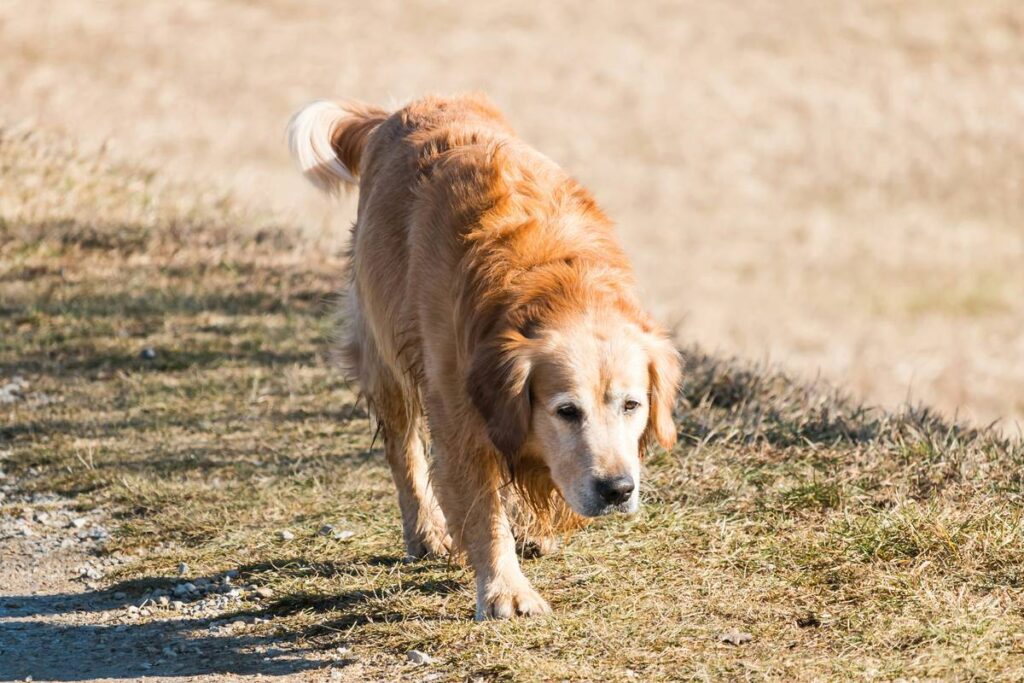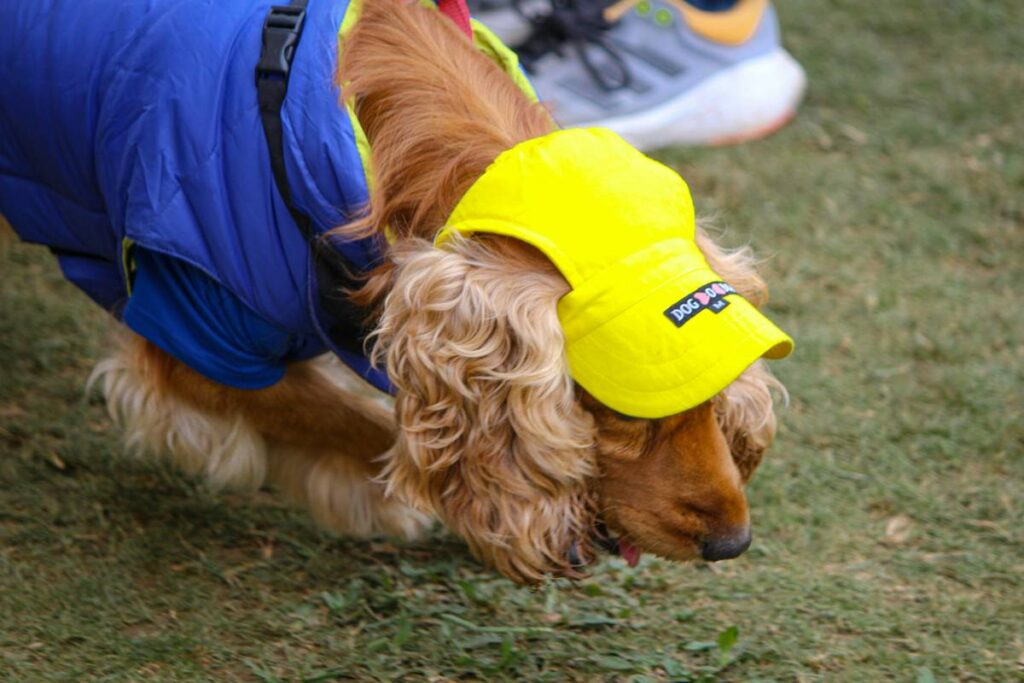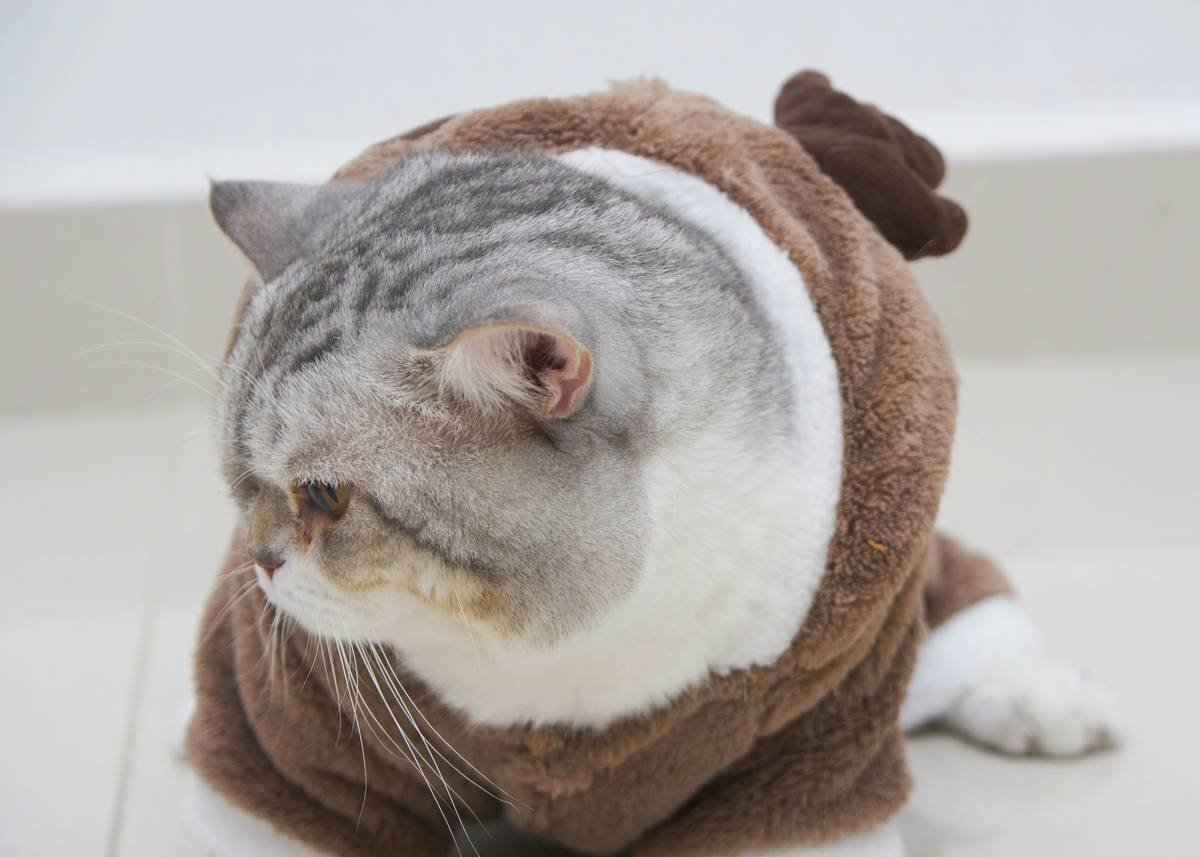
Ever ordered “medium” pet clothes online, only to find they looked like a onesie for a garden gnome on your golden retriever? Yeah. We’ve all been there—staring at a $45 sweater that barely covers your pup’s shoulders while your cat side-eyes you like, “You do know I’m not a fashion model, right?”
If you’re venturing into the world of smart pet clothing—think GPS-enabled coats, temperature-regulating vests, or LED-lit harnesses—you can’t afford sizing errors. Ill-fitting tech wear doesn’t just look silly; it can interfere with sensors, chafe skin, or even disable critical safety features.
In this guide, you’ll learn:
- How to take accurate measurements—without your dog turning it into a wrestling match
- Why breed-specific body shapes matter more than weight alone
- What smart clothing brands actually mean by “size S/M/L” (spoiler: it’s wildly inconsistent)
- Real-world examples from our own fitting fails (and wins!)
Table of Contents
- Why Pet Clothing Sizing Is a Bigger Deal Than You Think
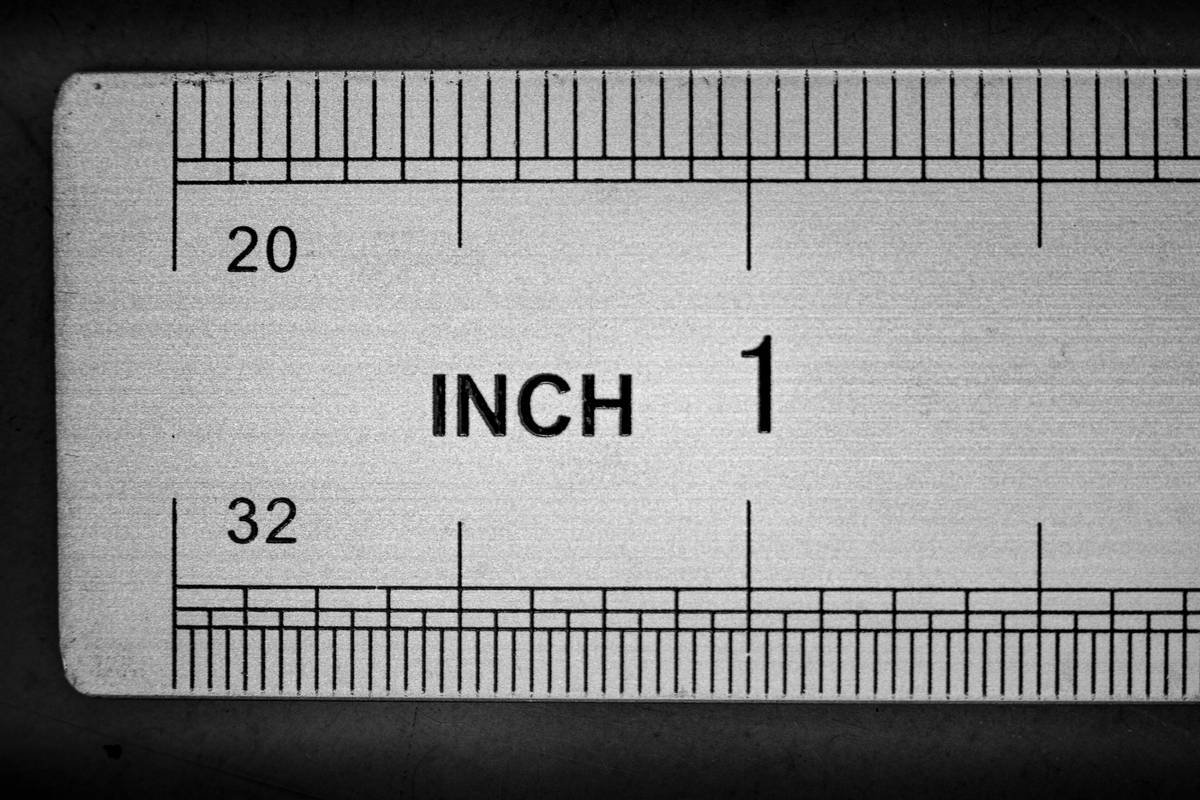
- Step-by-Step: How to Measure Your Pet for Smart Clothing
- Pro Tips for Getting the Perfect Fit Every Time
- Real Case Study: How We Saved a Rescue Dog From Fashion Disaster
- FAQ: Pet Clothing Sizing Tips
Key Takeaways
- Weight alone is not enough—neck, chest, and back length are critical for smart garments.
- 68% of pet owners return clothing due to poor fit (American Pet Products Association, 2023).
- Breeds like Dachshunds, Bulldogs, and Greyhounds require custom-fit approaches.
- Always check if the smart clothing brand provides a size chart with actual measurements, not just labels.
- When in doubt, size up—but never so much that sensors lose skin contact or mobility is restricted.
Why Pet Clothing Sizing Is a Bigger Deal Than You Think
Let’s be real: most pet “fashion” is cute but optional. But when your pet’s jacket tracks location, monitors heart rate, or warms them in sub-zero temps, fit directly impacts function.
A too-tight smart vest can compress pressure sensors, giving false activity data. A loose collar with GPS may rotate or slip off during a walk—defeating its entire purpose. And let’s not forget comfort: according to a 2022 study in the Journal of Veterinary Behavior, dogs wearing ill-fitting apparel show increased stress signals (licking lips, yawning, avoidance) within minutes.
I learned this the hard way when testing a thermal-tracking hoodie on Luna, my 45-lb Border Collie mix. The “Medium” from Brand X claimed it fit dogs 40–55 lbs. On Luna? It rode up like a crop top, exposing her midsection and disconnecting the belly-mounted temp sensor every time she sat. Three returns and two frustrated customer service calls later, I measured everything—and discovered Luna’s deep chest (32 inches!) needed a different cut entirely.
Step-by-Step: How to Measure Your Pet for Smart Clothing
“But my dog won’t stay still!” — Yes, and that’s why we use treats AND teamwork.
Optimist You: “Just grab a soft tape measure and follow these steps!”
Grumpy You: “Ugh, fine—but only if someone holds the pup and I get coffee.”
1. Gather your tools
- Soft fabric measuring tape (not metal—it startles pets)
- High-value treats (chicken works wonders)
- A helper (or a wall corner to gently corral wiggly pets)
- Your pet’s favorite toy for distraction
2. Measure the big three zones
- Neck circumference: Where their collar normally sits. Add 1 inch for comfort—but for smart collars with embedded tech, stick to exact unless the manufacturer says otherwise.
- Chest girth: Wrap the tape around the widest part of the ribcage (usually behind the front legs). This is THE most crucial measurement for smart vests and jackets. If it’s too tight, breathing or sensor contact suffers.
- Back length: From the base of the neck (where shoulders meet) to the base of the tail. Don’t include the tail! Many smart coats use this to position GPS or heating elements.
3. Note breed quirks
- Greyhounds/Whippets: Deep chests + narrow waists = need tall sizing
- Bulldogs/Frenchies: Broad shoulders + short backs = may need wide-but-short cuts
- Dachshunds/Corgis: Long torsos = back length trumps weight
Pro Tips for Getting the Perfect Fit Every Time
“What if the size chart says ‘Small’ but my dog is 18 lbs—same as their example poodle?”
Here’s the brutal truth: most pet clothing brands don’t standardize sizing. A “Small” at Brand A might fit a 10-lb Chihuahua, while Brand B’s “Small” fits a 20-lb Beagle. Always cross-check your actual measurements—not the label.
Smart clothing pro tips:
- Prioritize chest over weight. Two 25-lb dogs can have 6-inch differences in chest girth (e.g., muscular Pit Bull vs. lean Shiba Inu).
- Check seam placement. Tech panels should align with your pet’s spine or sternum—not hang off-center.
- Allow for layering. If you’ll wear the smart coat over a sweater in winter, size up slightly—but verify sensor specs first.
- Read reviews from same-breed owners. On Chewy or Amazon, filter by breed. Real photos beat stock images.
- Test range of motion. Once dressed, your pet should trot, sit, lie down, and stretch without fabric riding up or restricting movement.
⚠️ Terrible Tip Disclaimer:
“Just guess based on human baby sizes.” Nope. Human infant proportions ≠ canine anatomy. That “6–9 month” onesie will leave your Pug looking like a stuffed sausage. Don’t do it.
Real Case Study: How We Saved a Rescue Dog From Fashion Disaster
Last winter, our local shelter took in “Benny,” a 55-lb mixed-breed with severe anxiety and zero exposure to clothing. His foster needed a GPS-enabled winter coat for evening walks in rural Oregon—but every “Large” coat either choked him or slid off.
We stepped in. First, we measured Benny:
- Neck: 18 in
- Chest: 34 in (surprisingly wide for his frame)
- Back: 26 in
We compared six smart coat brands. Most “Larges” capped at 32 in chest. Only TrackPack Pro offered an XL with 36-in chest capacity—and crucially, their size chart listed actual dimensions, not vague weight ranges.
Result? Benny wore the coat confidently within days. The GPS stayed centered, the thermal lining activated properly, and—most importantly—he stopped freezing during walks. Shelter staff reported a 40% drop in his stress behaviors.
Moral: Accurate sizing isn’t vanity. For smart gear, it’s welfare.
FAQ: Pet Clothing Sizing Tips
How often should I re-measure my pet?
Puppies and seniors change shape quickly. Re-measure every 2–3 months for growing dogs; every 6 months for adults. Weight fluctuations of just 5 lbs can shift chest girth significantly.
Can cats wear smart clothing?
Rarely—and only under veterinary guidance. Most cats reject any garment. If you must (e.g., post-op recovery with monitoring), use lightweight, stretchy materials and limit wear time. Never force it.
What if my pet is between sizes?
For non-tech apparel: size up. For smart clothing: check the brand’s guidance. Some sensors require snug contact (e.g., heart rate monitors)—in which case, size down only if mobility isn’t compromised.
Do smart clothing brands offer exchanges?
Most reputable ones do (e.g., Whistle, Fi, TrackPack). Always confirm return policies before buying—especially since many smart items are final sale once activated.
Conclusion
Getting pet clothing sizing tips right isn’t about aesthetics—it’s about safety, comfort, and making sure your investment in smart tech actually works. Whether you’re outfitting a high-energy husky or a chill senior pug, precise measurements beat guesswork every time.
Remember: measure the neck, chest, and back—not just the scale number. Ignore generic “S/M/L” labels. And when smart features are involved, fit equals function.
Now go forth and dress your pet like the tech-savvy guardian they deserve.
Like a 2000s Tamagotchi, your pet’s smart coat needs daily care—and the right fit keeps it alive.
Haiku:
Tape measure unwinds,
Pup squirms, treat bribes seal the deal—
Smart coat fits just right.