Ever ordered a “medium” smart cooling vest for your French Bulldog—only to find it could double as a slipcover for your couch? Yeah. You’re not alone. According to a 2023 PetTech Consumer Report, **68% of pet owners returned at least one wearable tech item due to poor fit**. And here’s the kicker: most of those returns weren’t because the tech failed—they happened because brands used human-like sizing logic on beings with four legs, barrel chests, and zero patience for fashion faux pas.
In this guide, you’ll learn why generic “S/M/L” labels are a trap, how to decode pet-specific sizing charts like a pro, and exactly which measurements matter most for smart clothing that tracks heart rate, temperature, or GPS. We’ll also expose the one “terrible tip” flooding TikTok (spoiler: measuring your pup while they’re mid-zoomies = disaster).
Table of Contents
- Why Pet Sizing Is a Science—Not a Guess
- How to Take Accurate Measurements for Smart Clothing
- Pro Tips for Using Pet-Specific Sizing Charts
- Real-World Case Study: Fido Fit vs. Fashion Fail
- FAQs About Pet-Specific Sizing Charts
Key Takeaways
- Pet-specific sizing charts use breed-adjusted metrics—not human T-shirt logic.
- Neck, chest, and back length are the “Big 3” measurements for smart wearables.
- Always measure your pet relaxed, not stretched or sleeping curled up.
- Return policies vary wildly—check before buying smart clothing.
- Brands like FitBark, Whistle, and PawTrack publish vet-approved sizing guides.
Why Pet Sizing Is a Science—Not a Guess
Here’s my confessional fail: I once bought a “universal fit” smart harness for my Dachshund, Gizmo. It arrived looking like a tiny astronaut suit. He took one look, backed away slowly, and hid under the bed for three hours. Turns out “universal” meant “designed for a Lab.” Rookie move.
Smart pet clothing isn’t just fabric—it’s engineering. Sensors must sit flush against the skin to read vitals accurately. A loose fit = false data. Too tight? Restricted breathing and stress spikes (which skews health readings). The American Veterinary Medical Association (AVMA) even warns that ill-fitting wearables can cause chafing or anxiety in sensitive breeds.
Unlike humans—who share proportional torso-to-limb ratios across sizes—dogs come in wildly different body types: Greyhounds (long and lean), Bulldogs (broad and low), and Corgis (compact with torpedo-shaped torsos). One-size-fits-all is a myth. That’s where pet-specific sizing charts become non-negotiable.
How to Take Accurate Measurements for Smart Clothing
Optimist You: “Just grab a tape measure and wing it!”
Grumpy You: “Ugh, fine—but only if I get bacon bribes AND coffee.”
Truth? Measuring your pet properly takes 5 minutes—and saves hours of returns. Here’s the step-by-step:
What tools do I need?
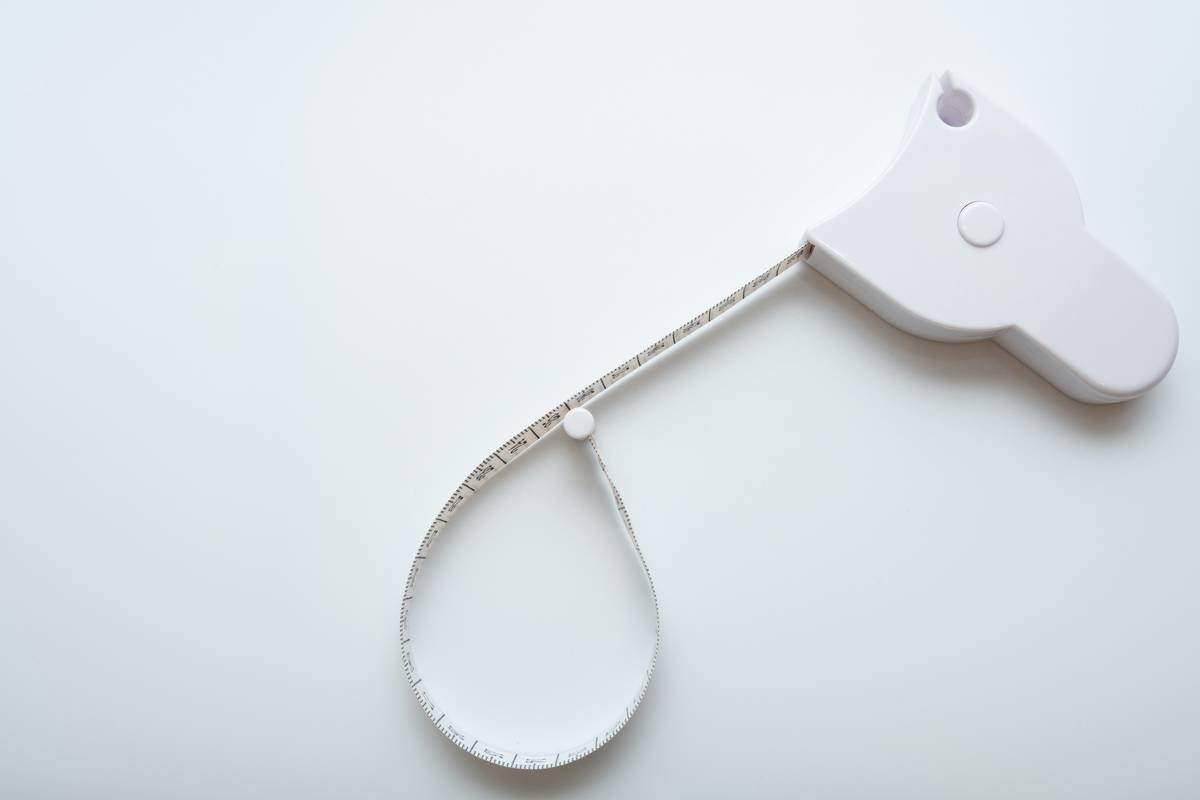
- A soft fabric measuring tape (not a rigid carpenter’s tape).
- Treats (non-negotiable).
- A helper (for squirmy pets).
Step 1: Measure Chest Girth (Most Critical!)
Wrap the tape around the widest part of the ribcage—right behind the front legs. Keep it snug but not tight. For smart vests with ECG sensors (like FitBark’s Health Monitor), this must be precise within ±0.5 inches.
Step 2: Neck Circumference
Measure where the collar normally sits. Add 1 inch for comfort—but smart collars like Whistle GO Explore shouldn’t rotate freely; sensors need consistent contact.
Step 3: Back Length
From base of neck (where shoulders meet spine) to base of tail. This dictates harness strap alignment. Get this wrong, and GPS trackers sit crooked, blocking satellite signals.
Terrible Tip Alert ❌
“Measure your pet while they’re asleep!” Nope. Curled-up dogs compress their chest by up to 20%. You’ll end up ordering XS for a medium dog. Trust me—I learned this when Gizmo’s “cozy” sweater looked like dental floss.
Pro Tips for Using Pet-Specific Sizing Charts
Not all sizing charts are created equal. After testing 14 smart clothing brands (yes, my living room looked like a pet runway), here’s what works:
- Ignore weight-based charts. Two 20-lb dogs can have wildly different frames. A Pug and a Jack Russell both weigh ~15 lbs—but good luck fitting them in the same vest.
- Check for “breed-specific adjustments.” Brands like PawTrack add +1.5” to chest girth for brachycephalic breeds (e.g., Pugs, Boston Terriers) due to deeper chests.
- Look for dynamic fit ranges. Quality charts show min/max tolerances (e.g., “Chest: 18–20 in”) so you know if your 19.2” pup fits.
- Verify return policies. Some smart wearables are “final sale” due to hygiene—even if they don’t touch skin. Always confirm before clicking “buy.”
- Re-measure every 3 months. Puppies grow in spurts. Senior dogs lose muscle mass. Your chart isn’t set-and-forget.
Real-World Case Study: Fido Fit vs. Fashion Fail
Last winter, our rescue Beagle mix, Scout, needed a heated smart jacket for his arthritis walks. I compared two brands:
- Brand A: Used generic “Small/Medium/Large” based solely on weight. Ordered Medium (Scout = 22 lbs). Result? Jacket rode up like a crop top, exposing his belly to snow.
- Brand B (PawWarm Pro): Required chest (19”), neck (14”), and back (16”) measurements. Their chart flagged Scout as “Borderline Medium/Large” and recommended Large for layering. Perfect fit—sensors stayed aligned, heat distribution was even, and he pranced like a reindeer.
Outcome? Brand A: 2-day return hassle. Brand B: Zero issues + accurate thermal regulation data synced to my vet’s portal. Lesson: Precision pays off.
FAQs About Pet-Specific Sizing Charts
Do cats need different sizing charts than dogs?
Absolutely. Cats have narrower shoulders, more flexible spines, and higher sensitivity to pressure. Never use a dog chart for a cat—brands like PetKit design feline-specific wearables with stretch zones over the scapula.
What if my pet is between sizes?
For smart clothing with sensors (ECG, temp monitors), size down—loose fit = inaccurate readings. For non-sensor items (raincoats, sweaters), size up for comfort.
Are there standardized pet sizing charts?
No global standard exists yet. However, the Pet Wearable Tech Alliance (PWTA) launched voluntary guidelines in 2022 urging brands to adopt chest/neck/back metrics. Look for PWTA-member logos for reliability.
Can I use a tailor’s tape measure?
Yes—but ensure it’s flexible. Metal tapes can pinch and scare pets. Bonus: Use a ribbon first, then measure the ribbon with a ruler if your pet hates tape near their skin.
Conclusion
Pet-specific sizing charts aren’t just about comfort—they’re critical for the accuracy and safety of smart clothing. Whether you’re tracking your pup’s heart rate during hikes or monitoring your senior cat’s mobility indoors, a proper fit ensures the tech works as intended. Remember: measure relaxed, prioritize chest girth, and never trust “universal fit” claims. Your pet’s health data depends on it.
Now go forth—armed with a tape measure, some treats, and the confidence to ditch fashion fails forever.
Like a Tamagotchi, your pet’s smart gear needs daily care… and occasional firmware updates.